Kenya’s frontier regions have historically borne the brunt of insecurity, displacement, violent extremism, and fragile state presence. Yet these same regions are now emerging as laboratories of innovation in peacebuilding, prevention of violent extremism, and community resilience. Kiunga, a border town in Lamu County along the Kenya–Somalia frontier, offers a compelling example of how devolved leadership can transform fragility into stability.
This transformation has been driven through a deliberate, people-centered peacebuilding approach led from within county government structures.
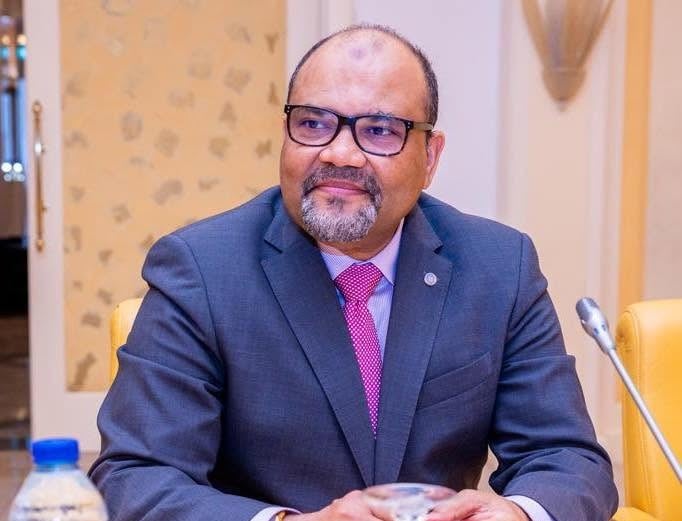
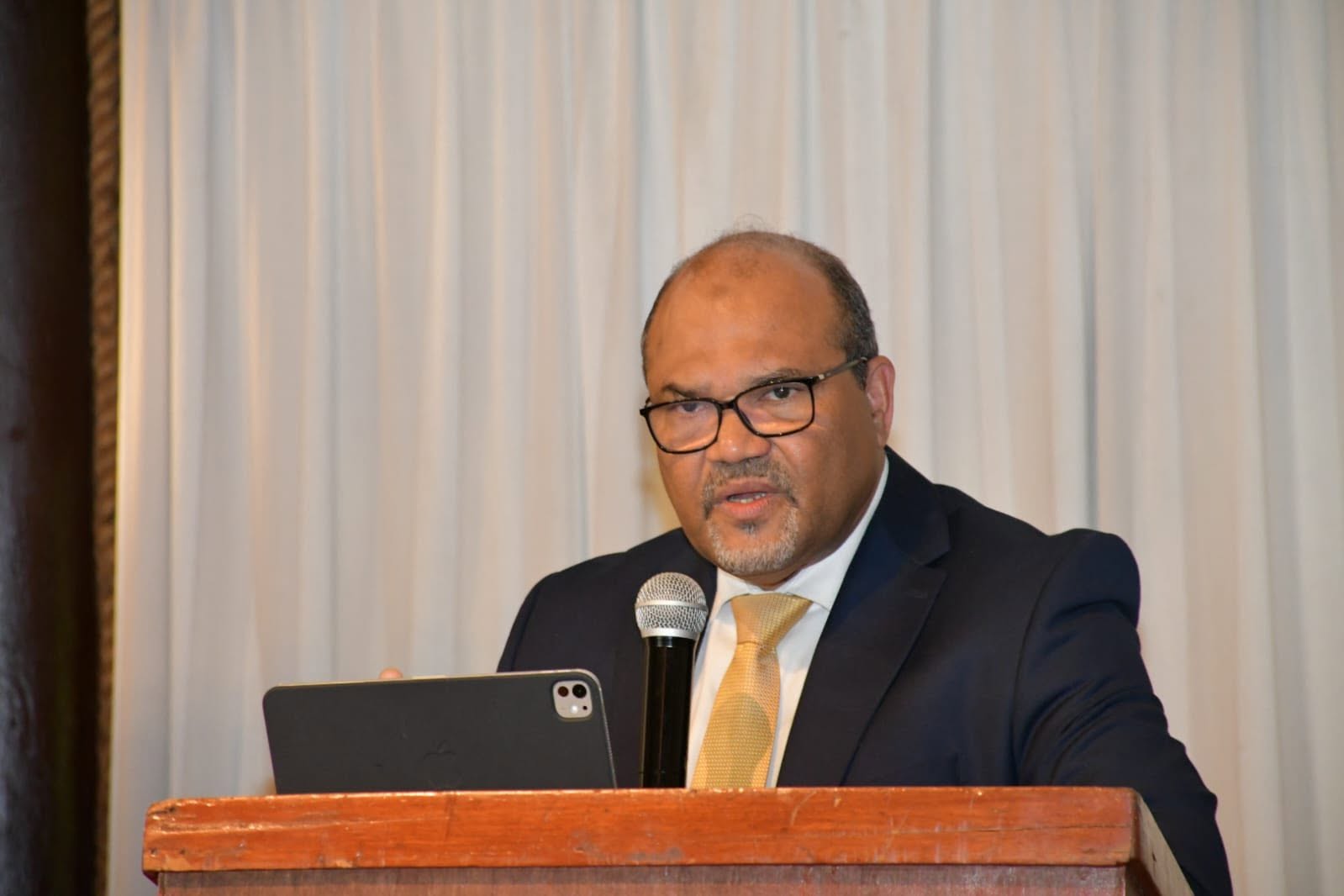
Under the leadership and stewardship of Shee Kupi Shee, a Kiunga-born county civil servant and peacebuilding practitioner, Lamu County has demonstrated that peace, security, and development are mutually reinforcing.
The Kiunga experience rests on three interlinked pillars that align with Kenya’s national priorities on peace, security, and cohesion.
Also Read: Exploring the Roots of Stupidity: Psychology of What Lies Behind Irrational Opinions
Community-Led Integration as a Foundation for Peace in Lamu
At the heart of stability in Kiunga is a community-driven model of refugee host integration. Unlike conventional responses built around camps and aid dependency, Kiunga integrated refugees directly into host households. Scarce resources food aid, water, land, fishing grounds, and agricultural inputs were shared equitably between host and refugee communities.
This deliberate fairness, institutionalized through county administration, reduced competition, prevented grievances, and dismantled the social fractures often exploited by violent extremist networks.
By ensuring dignity and equal access, the county strengthened social cohesion and built a united front against conflict, radicalization, and displacement-related tensions.
Preventing Extremism Through Trust and Inclusive Governance
Peace in fragile borderlands cannot be achieved through enforcement alone. In Kiunga, trust between civilians and security agencies was rebuilt through consistent dialogue, humanitarian responsiveness, and inclusive governance.
As Director of Disaster Management and Peacebuilding, Shee Kupi played a central role in bridging communities and security actors. Joint responses to droughts, floods, fires, maritime incidents, and displacement crises humanized security operations and repositioned state presence as protective rather than punitive.
This trust-based approach significantly reduced fear, rumors, and hostility—key drivers of extremism. Communities became partners in security, early warning, and prevention, contributing to reduced violence and stronger intelligence-sharing at the grassroots.
Also Read: Murkomen Warns Police Officers Returning From Haiti Against Marrying a Second Wife
Cross-Border Collaboration for Sustainable Stability
Recognizing that insecurity does not respect borders, Lamu County prioritized cross-border peacebuilding with neighboring communities in Raskamboni, Somalia. Shared cultural ties, livelihoods, and movement patterns were leveraged as assets for peace rather than viewed as threats.
Structured engagement coordinated humanitarian responses, and dialogue across the Kenya–Somalia border enhanced cooperation, reduced cross-border tensions, and disrupted pathways for violence and terror. This collaborative approach positioned border communities as co-custodians of peace and stability.
A Trailblazer in Devolved Peace Leadership
The Kiunga model did not emerge by chance. It reflects deliberate leadership within devolved governance.
As a county civil servant, Shee Kupi has been a key architect and implementer of these peacebuilding gains translating national policy into local action, and local wisdom into scalable solutions.
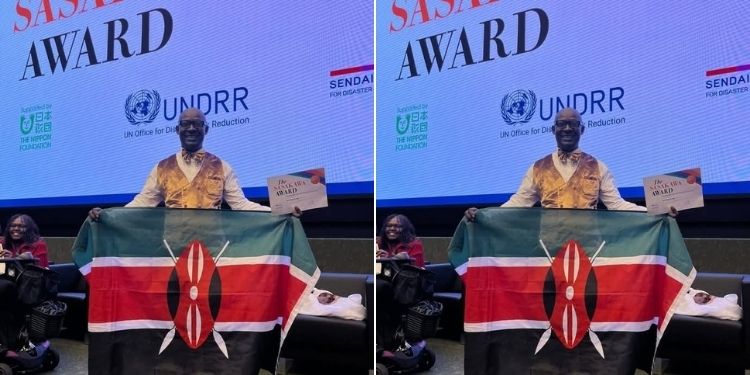
His work, strengthened through advanced peace training under the Rotary Peace Fellowship at Bahçeşehir University, has earned national and global recognition, including the Order of the Grand Warrior (OGW).
These honors reflect not individual achievement alone, but the success of devolved governance when peacebuilding is embedded in service delivery.
A Model for Kenya’s Peace and Security Agenda
The Kiunga experience underscores an important lesson for Kenya: peace is built through equity, trust, and inclusive leadership. By integrating humanitarian action, security collaboration, and cross-border engagement, counties can deter extremism, reduce violence, and promote lasting stability.
As Kenya advances its peace, security, and refugee integration agenda, including the Ushirika Plan, county-led models such as Kiunga offer practical, tested pathways for safeguarding communities while strengthening national cohesion.
Peace, when anchored in communities and enabled by devolved leadership, can turn borderlands into beacons of resilience and hope.
Follow our WhatsApp Channel and X Account for real-time news updates.