Tuesday, June 2, 2026
  • News
    • Latest News
    • Breaking News
    • Fact Check
    • Investigations
    • Explainers
  • Politics
    • Global Politics
    • Elections
    • Government & Policy
    • Diplomacy
    • Conflicts & Security
    • Political Analysis
  • Business
    • Global Economy
    • Markets
    • Technology
    • Startups
    • Energy
    • Finance
  • World News
    • Americas
    • Asia
    • Asia Pacific
    • Africa
    • Europe
    • Middle East
  • Africa
    • Central Africa
    • East Africa
    • West Africa
    • Southern Africa
  • Health
    • Global Health
    • Public Health
    • Health Policy
    • Medical Research
    • Diseases & Conditions
    • Mental Health
    • Nutrition
    • Climate & Health
    • Health Explainers
  • Sports
    • Athletics
    • Basketball
    • Boxing
    • Cricket
    • Football
    • Formula 1
    • Golf
    • Rugby
  • Weather
    • Climate Business
    • Climate Change
    • Climate Solutions
    • Living Green
  • Culture
    • Arts
    • Film & TV
    • Food
    • Music
    • Lifestyle
    • Travel
  • Opinion
    • Editorials
    • Letters
  • Behind The Brand
REGISTER
LOGIN
No Result
View All Result
The Kenya Times
  • News
    • Latest News
    • Breaking News
    • Fact Check
    • Investigations
    • Explainers
  • Politics
    • Global Politics
    • Elections
    • Government & Policy
    • Diplomacy
    • Conflicts & Security
    • Political Analysis
  • Business
    • Global Economy
    • Markets
    • Technology
    • Startups
    • Energy
    • Finance
  • World News
    • Americas
    • Asia
    • Asia Pacific
    • Africa
    • Europe
    • Middle East
  • Africa
    • Central Africa
    • East Africa
    • West Africa
    • Southern Africa
  • Health
    • Global Health
    • Public Health
    • Health Policy
    • Medical Research
    • Diseases & Conditions
    • Mental Health
    • Nutrition
    • Climate & Health
    • Health Explainers
  • Sports
    • Athletics
    • Basketball
    • Boxing
    • Cricket
    • Football
    • Formula 1
    • Golf
    • Rugby
  • Weather
    • Climate Business
    • Climate Change
    • Climate Solutions
    • Living Green
  • Culture
    • Arts
    • Film & TV
    • Food
    • Music
    • Lifestyle
    • Travel
  • Opinion
    • Editorials
    • Letters
  • Behind The Brand
  • News
    • Latest News
    • Breaking News
    • Fact Check
    • Investigations
    • Explainers
  • Politics
    • Global Politics
    • Elections
    • Government & Policy
    • Diplomacy
    • Conflicts & Security
    • Political Analysis
  • Business
    • Global Economy
    • Markets
    • Technology
    • Startups
    • Energy
    • Finance
  • World News
    • Americas
    • Asia
    • Asia Pacific
    • Africa
    • Europe
    • Middle East
  • Africa
    • Central Africa
    • East Africa
    • West Africa
    • Southern Africa
  • Health
    • Global Health
    • Public Health
    • Health Policy
    • Medical Research
    • Diseases & Conditions
    • Mental Health
    • Nutrition
    • Climate & Health
    • Health Explainers
  • Sports
    • Athletics
    • Basketball
    • Boxing
    • Cricket
    • Football
    • Formula 1
    • Golf
    • Rugby
  • Weather
    • Climate Business
    • Climate Change
    • Climate Solutions
    • Living Green
  • Culture
    • Arts
    • Film & TV
    • Food
    • Music
    • Lifestyle
    • Travel
  • Opinion
    • Editorials
    • Letters
  • Behind The Brand
No Result
View All Result
The Kenya Times ~ Trending, Breaking News and Videos
No Result
View All Result
ADVERTISEMENT

Naked Protests In South Africa: Psychologist Explores Emotional Power of This Form of Activism

The ConversationbyThe Conversation
October 25, 2024
Reading Time: 9 mins read
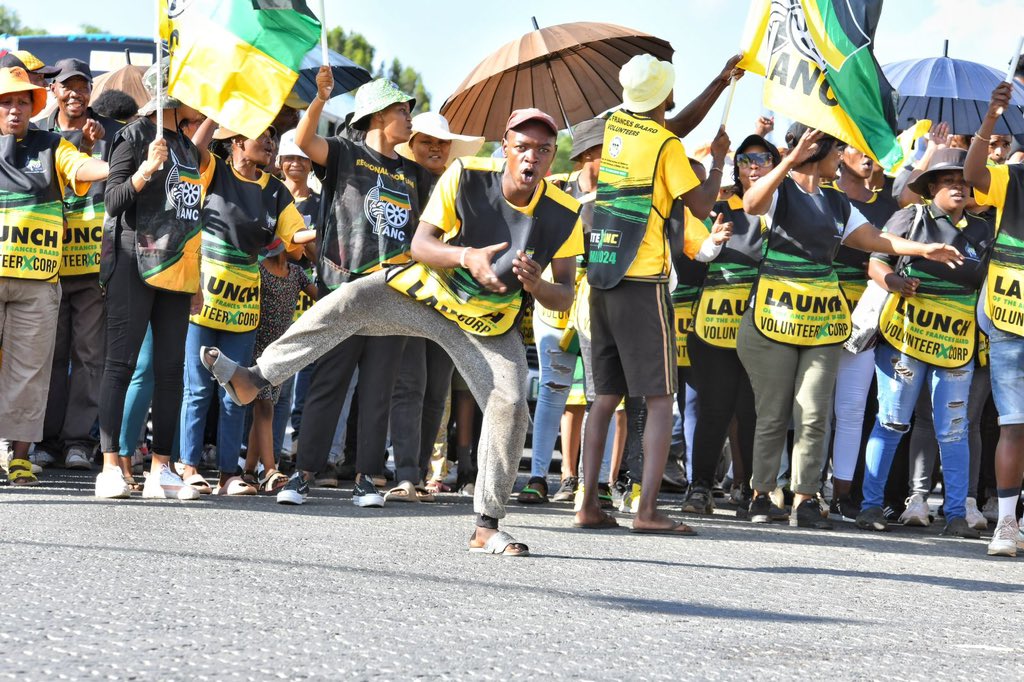
South Africans During An Anc Rally. Photo/Rsa Presidency.

South Africans during an ANC rally. PHOTO/RSA Presidency.

FacebookTwitterLinkedInRedditWhatsApp
Advertisement

Naked protests are a form of public demonstration where individuals, often women, use the symbolic power of their naked bodies to challenge injustices. These protests have become an increasingly visible form of resistance, particularly in response to state violence, economic exploitation, and the oppression of women by men.

While naked protests might seem provocative or shocking, they have a long and storied history in Africa. They are not only a powerful statement but also a direct challenge to norms in society around decency, control and vulnerability.

As a research psychologist, I was drawn to the study of naked body protests because of their profound affective power. That’s to say I study how emotions like anger, fear, joy and empowerment are expressed and experienced by both the protester and the observer. I’ve interviewed numerous South African women who have taken part in naked protests in the past decade.

My studies, which take an African feminist approach, show that these protests are not just acts of desperation or shock tactics. They’re rooted in a long tradition of resistance and decolonisation, drawing on generational power and emotional expressions. They are a feminist tactic that embodies both vulnerability and strength, using the body as a site of resistance and empowerment.

Naked protests are complex – and, I argue, a powerful tool for reclaiming African women’s agency, dignity and voices.
Why South African Election Is A Massive Milestone For The Ruling Anc
South African President Cyril Ramaphosa addressing a past political rally. PHOTO/Ramaphosa.

Colonialism and nakedness

During colonialism, European countries ruled over African nations. Colonisers imposed their values, laws and social systems – including strict ideas about how women should behave and dress. These replaced many traditional African practices and beliefs. African women were required to cover their bodies because nakedness was seen as shameful or improper according to European moral standards.


Also Read: South Africa: Malema Gives Way Forward for His Party After Reelection of Cyril Ramaphosa


By protesting naked, African women are rejecting these colonial ideas and reclaiming their bodies as a form of resistance. They’re saying they refuse to be controlled by these outdated beliefs. So, naked protests are a decolonial action.

African feminism sheds further light. It highlights the unique historical and social conditions that shape African women’s struggles. It recognises that African women’s bodies have been sites of both oppression and resistance for a long time, subjected to patriarchal and colonial control.

Naked protests in South Africa

In South Africa, colonialism was followed by white minority rule. Apartheid was a system of racial segregation and discrimination, made law from 1948 to 1994. Black South Africans were denied political rights, restricted from owning land in white areas, and subjected to pass laws that controlled their movement. Black women bore the brunt of this oppression.

In Durban in 1959, South African women protested against the 1908 Native Beer Act, which banned them from brewing traditional beer. Protesters attacked state beerhalls and, in a bold act of defiance, exposed their bodies as they faced police barricades. The police were often hesitant to confront or harm the women.

In 1990, during the Dobsonville housing protest, women in Soweto stripped and protested against the demolition of their shacks by municipal police. They successfully drew media attention to their demands.

This form of protest has endured, even in the country’s democratic era. As recently as 2024, women from the South African Cleaners, Security and Allied Workers’ Union staged a naked protest against the sudden termination of their contracts by private security companies.
8-Year-Old Girl Survives Accident That Killed 45 In South Africa
South Africa’s President Cyril Ramaphosa. PHOTO/Presidency South Africa.

Psychology study

But a primary focus of my research was the South African student protests that began in 2015. The #FeesMustFall movement saw students protesting against sexual violence and the high cost of education. Naked protests took place at the University of the Witwatersrand in Johannesburg and related #RUReferenceList protests against rape at Rhodes University in Makhanda.

My PhD study set out to understand naked body protests and contribute to their psychological understanding. I wanted to find out why women in particular use this form of decolonialist protest and what its emotional and social role is during and after the actions.

I interviewed 16 women who participated in the protests, as well as drawing from podcast interviews with two other participants and a video of the 1990 Dobsonville protests.

Anger and confrontation

I found that anger and confrontation played a central role. During the #FeesMustFall protests, women’s decision to use their naked bodies was a deliberate, transgressive act aimed at disrupting structures that wanted to silence them.

They weaponised their vulnerability and exposed the contradictions within these systems – where women’s bodies are often sexually objectified but deemed unacceptable when used as instruments of protest. By baring their bodies, these women confronted the state, universities, and society at large by placing their physical bodies in direct opposition to deeply ingrained social hierarchies.

The anger expressed in these protests is not random; it’s rooted in a collective and historical sense of injustice. The women told me they were responding to both the immediate issue of being excluded from higher education facilities and also broader, generational experiences of gender-based violence, racism and economic disenfranchisement. Anger became a way to assert control over their bodies in spaces where their presence had been marginalised, ignored or actively suppressed.


Also Read: Go home – Protests against foreigners resurface in South Africa


By channelling their anger, these women redefined their relationship to both their own bodies and the public spaces they occupied. Their protests highlighted the connection between personal anger and systemic oppression.

Joy in struggle

Joy is another important affect in these protests. Women often experience a sense of joy and empowerment when they achieve the goals of their protests.

This joy is not just a personal feeling but a collective one that binds women together. Joy is a form of resistance in itself because it defies the narrative of women as passive victims.

Empowered and powerful

When women take part in naked protests, they show that they have the power to make their own decisions. They feel more confident and in control.

Participants made it clear that being part of these protests can deeply change how women feel about themselves. They discover their strength and ability to fight back.

The #IAmOneInThree hashtag was based on the United Nations estimate that one in three women around the world will be sexually abused in their lifetime. A #IAmOneInThree naked protest took place at the University of the Witwatersrand in solidarity with #RUReferenceList protests at Rhodes University. Sibu, who took part, shared how carrying a sjambok (a whip) and singing struggle songs with other women made her feel:

For me that moment was affirming … I felt powerful somehow. Because when you … have been raped … it made me feel weak … It made me feel like an object and not a person. And so I remember that moment feeling empowered, right, I have my sjambok, I have my sisters around me.

Naked body protests in South Africa are a powerful form of feminist resistance that draws on deep historical and cultural traditions. These protests are strategic and affective forms of resistance that challenge patriarchy, sexism and colonialism.The Conversation

Mpho Mathebula, Lecturer, University of the Witwatersrand

This article is republished from The Conversation under a Creative Commons license. Read the original article.

Follow our WhatsApp Channel and join our WhatsApp Group for real-time news updates.

Why Kenyans Are Rushing To South Africa For Holiday
South Africa’s President Cyril Ramaphosa and Kenya’s President William Ruto toast in 2022. PHOTO/PCS.
Tags: #FeesMustFallApartheidCyril RamphosaDobsonville housing protestNaked protestsNative Beer ActNelson MandelaSouth Africa ProtestsSoweto
The Conversation

The Conversation

The Conversation is an independent news organization that publishes evidence-based articles written by experts to help readers understand diverse topics. We cover a wide range of areas including arts, culture, education, health, politics, science, and moreÂą. Their content is characterized by in-depth analysis, research, news, and ideas from leading academics and researchers. The Conversation aims to provide academic rigor with journalistic flair.

Related Posts

Treasury Invites Applications For Board Recruitment Across 39 State-Owned Enterprises

Opinion | How New Taxes on Bank Card Transactions Charges Will Raise the Costs for Ordinary Kenyans if Adopted by Parliament

June 1, 2026
Artificial Intelligence Esther Muoria Is A Seasoned Manager And Phd Holder Appointed By President William Ruto As The Tvet Principal Secretary.

Opinion | AI Mistakes That Could Destroy Kenya’s Future — Global Lessons Every Leader, Business and Citizen Must See Now

May 31, 2026
Health Cs Aden Duale Denies Claims Sha Will Shut Down. Ebola Storm Rages On

Opinion | Kenya Should Think Before Rejecting the Laikipia Ebola Facility

May 31, 2026
Low Wages Squeeze Kenyans As As Computer Misuse And Cybercrimes Act Establishes Penalties For Unauthorized Access To Computer Systems, As Well The Legal Cybersecurity Practices.

Opinion | Why Wage Increases Won’t Fix What’s Broken in Kenya’s Economy

May 29, 2026
ADVERTISEMENT

The Kenya Times Facebook

LATEST ARTICLES

  • Nairobi Mentioned as Trump Cut Number of Embassies in Africa
  • Why Transgender Troops Can Now Serve in the U.S. Military
  • “I Couldn’t Care Less” Trump Responds After Iran Ends Talks With US
  • Jill Biden Reveals Regret Over Joe Biden’s 2024 Run in New Interview
  • Stars Abroad: Moses Shumah, Kenyan Striker Breaking Records in Zambia
  • Doctors Question Transparency of Trump’s Heart Test Results
  • Corazone Aquino: Kenyan Star Named After Philippines’ Former President
  • KMA Reveals How to Know Licensed Doctors After Deadly Kitale Surgery
  • Iran Ends All Negotiations With US, Vows to “Completely” Block the Strait of Hormuz
  • Wise vs Remitly vs Western Union: Best International Transfer in 2026
  • KDF Soldiers Take Charge as Protests Erupt in Nanyuki Over Ebola Quarantine Facility
  • End of an Era as Paris Lounge & Grill Rebrands, Kentwood Address Undergoes Renovation
  • Benny McCarthy Makes Changes to Harambee Stars Squad Days After Unveiling 24 Players
  • Ruto Delivers Weighty Apology During Madaraka Day Speech [FULL TEXT SPEECH]
  • Njeri Maina Explains Why President Ruto Can’t Be Impeached
ADVERTISEMENT

Company

About Us

Our Authors

Our Experts

Social Media

Policies

Privacy Policy

House Rules

Standards and Policies

Terms and Conditions

Subscription

My Account

Contact Us

Contact Us

Join Our Team

Advertise With Us

© Copyright 2026 | The Kenya Times | All Rights Reserved

Welcome Back!

Sign In with Facebook
Sign In with Google
Sign In with Linked In
OR

Login to your account below

Forgotten Password? Sign Up

Create New Account!

Sign Up with Facebook
Sign Up with Google
Sign Up with Linked In
OR

Fill the forms below to register

All fields are required. Log In

Retrieve your password

Please enter your username or email address to reset your password.

Log In
Your Privacy and Cookies
We use cookies on our website to give you the most relevant experience by remembering your preferences and repeat visits. By clicking “Accept”, you consent to the use of ALL the cookies.
Do not sell my personal information.
Cookie settingsACCEPT
Privacy & Cookies Policy

Privacy Overview

This website uses cookies to improve your experience while you navigate through the website. Out of these cookies, the cookies that are categorized as necessary are stored on your browser as they are essential for the working of basic functionalities of the website. We also use third-party cookies that help us analyze and understand how you use this website. These cookies will be stored in your browser only with your consent. You also have the option to opt-out of these cookies. But opting out of some of these cookies may have an effect on your browsing experience.
Necessary
Always Enabled
Necessary cookies are absolutely essential for the website to function properly. This category only includes cookies that ensures basic functionalities and security features of the website. These cookies do not store any personal information.
Functional
Functional cookies help to perform certain functionalities like sharing the content of the website on social media platforms, collect feedbacks, and other third-party features.
Performance
Performance cookies are used to understand and analyze the key performance indexes of the website which helps in delivering a better user experience for the visitors.
Analytics
Analytical cookies are used to understand how visitors interact with the website. These cookies help provide information on metrics the number of visitors, bounce rate, traffic source, etc.
Advertisement
Advertisement cookies are used to provide visitors with relevant ads and marketing campaigns. These cookies track visitors across websites and collect information to provide customized ads.
Others
Other uncategorized cookies are those that are being analyzed and have not been classified into a category as yet.
SAVE & ACCEPT
LOGIN | REGISTER
  • Login
  • Sign Up
  • Cart
No Result
View All Result
  • News
    • Latest News
    • Breaking News
    • Investigations
    • Explainers
    • Fact Check
  • Politics
    • Global Politics
    • Conflicts & Security
    • Elections
    • Diplomacy
    • Government & Policy
    • Political Analysis
  • Business
    • Global Economy
    • Markets
    • Technology
    • Startups
    • Energy
    • Finance
  • World News
    • Americas
    • Asia
    • Asia Pacific
    • Africa
    • Europe
    • Middle East
  • Africa
    • East Africa
    • West Africa
    • Southern Africa
    • Central Africa
  • Health
    • Global Health
    • Public Health
    • Health Policy
    • Medical Research
    • Diseases & Conditions
    • Mental Health
    • Nutrition
    • Climate & Health
    • Health Explainers
  • Sports
    • Athletics
    • Basketball
    • Boxing
    • Cricket
    • Football
    • Formula 1
    • Golf
    • Rugby
  • Weather
    • Climate Business
    • Climate Change
    • Climate Solutions
    • Living Green
  • Culture
    • Arts
    • Film & TV
    • Food
    • Lifestyle
    • Music
    • Travel
  • Opinion
    • Editorials
    • Letters
  • Behind The Brand
  • Contact Us

Not enough quota to unlock this post
Unlock left : 0
Are you sure want to cancel subscription?