The gap between Singapore and Kenya is not mysterious, historical, or accidental. It is institutional. One country built systems that punish failure and corruption without hesitation. The other built institutions that protect incompetence, recycle scandals, and normalise impunity.
I have visited Singapore during a youth exchange programme aboard the Japanese ship Nippon Maru. Even in that brief stopover, the difference was stark and unforgettable. Singapore impressed not just with its skyline or transport system, but with its culture of discipline. Systems worked. Rules were followed. Public spaces were respected. Everything functioned because institutions were empowered and enforced. There were no excuses. In Kenya, institutions exist to accommodate failure, shield wrongdoing, and celebrate mediocrity.
Singapore became successful because its institutions work. Kenya stagnates because its institutions pretend to work.
Kenya vs Singapore
Singapore emerged from colonial rule with little more than discipline and clarity of purpose. Kenya emerged with land, labour, wildlife, minerals, and global goodwill. Six decades later, Singapore is a global economic nerve centre. Kenya is still holding conferences about “unlocking potential.”
The difference is enforcement — or the lack of it.
In Singapore, corruption is not debated — it is prosecuted. Public officers do not survive scandals through press conferences and political alliances. They go to court. They go to jail. Careers end. In Kenya, corruption investigations are political theatre. Files disappear. Witnesses vanish. Suspects are reshuffled into new offices. Theft is rebranded as “leadership experience.”
Also Read: Singapore Gives Citizens Vouchers of up to $300 Starting This January
Kenya’s political class has mastered impunity as a governing philosophy.
The population argument is another convenient lie. Singapore manages 5.9 million people with ruthless efficiency. Kenya mismanages over 55 million people with casual negligence. Singapore plans decades ahead; Kenya plans until the next election. Singapore invests in education with discipline; Kenya politicises it and underfunds it. Youth in Singapore are prepared for productivity; youth in Kenya are prepared for patience.
Environmental collapse exposes the same institutional failure. In Singapore, littering is punished publicly and financially. Illegal dumping is a crime, not a negotiation. The state does not ask citizens to “change behaviour” — it enforces behaviour. In Kenya, rivers are garbage dumps, wetlands are stolen, forests disappear, and enforcement agencies like NEMA issue press statements instead of penalties.
Tourism lays bare the cost of institutional dysfunction. The Kenya Tourism Board markets the country aggressively, but cannot compensate for insecurity, poor roads, and policy inconsistency. Kenya Wildlife Service struggles to protect parks amid underfunding and political interference. Tourists do not fear lions — they fear disorder. Singapore understands this. Kenya refuses to.
Kenya does not lack policies
Taxation reveals the most broken institution of all: trust. The Kenya Revenue Authority (KRA) has perfected tax collection without service delivery. New levies are introduced relentlessly — housing tax, fuel levies, road maintenance charges — yet public hospitals lack medicine, schools are overcrowded, and infrastructure projects stall. Citizens are told to “sacrifice” while Auditor-General reports expose billions lost annually. In Singapore, citizens comply because they see results. In Kenya, citizens comply because resistance is costly and ineffective.
County governments, sold as engines of development, have become micro-states of waste. Some counties spend more on travel, allowances, and consultants than on water, health, or agriculture. Governors blame the national government. The national government blames the counties. Citizens get excuses.
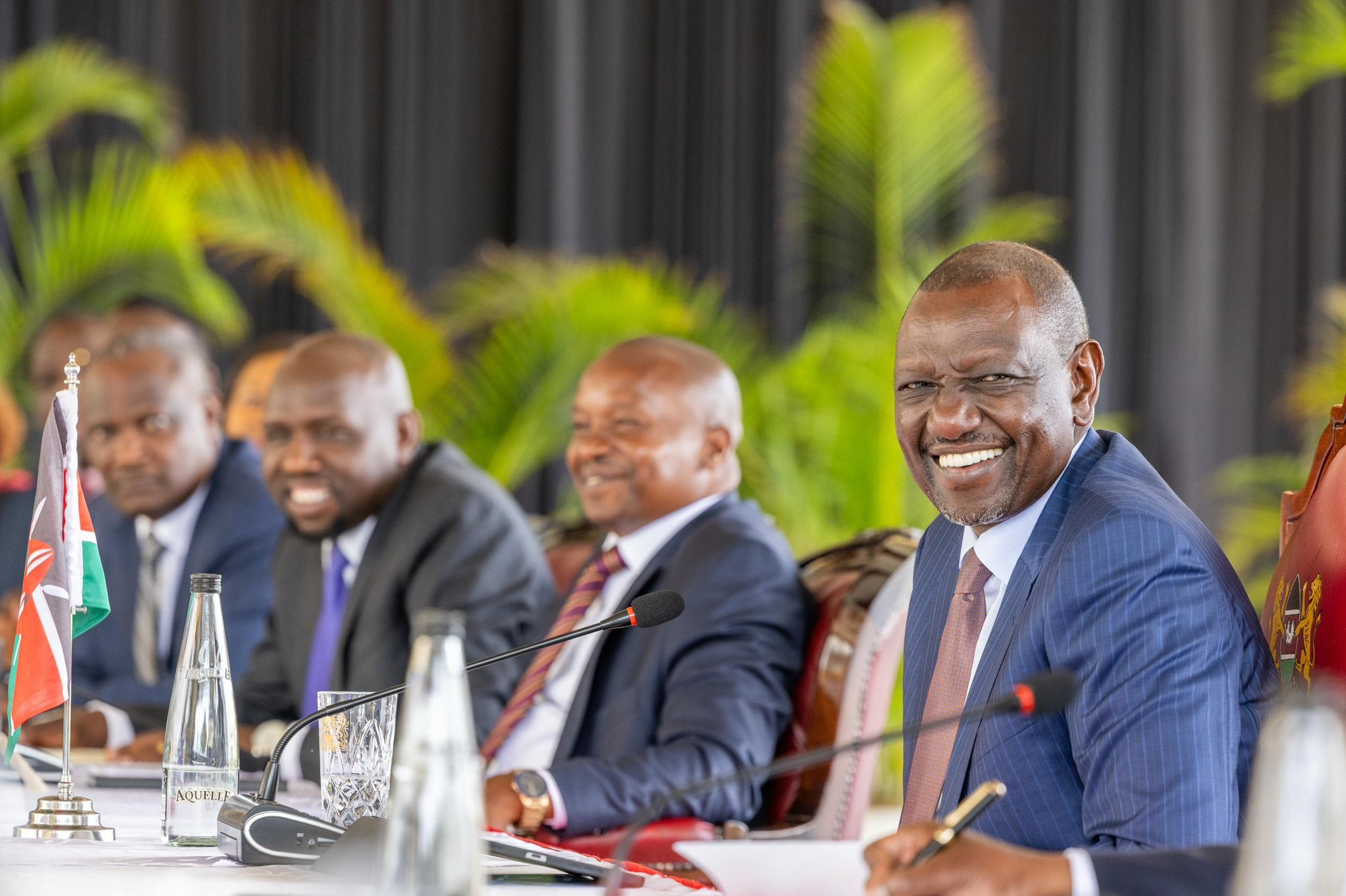
President William Ruto’s promise of a transformed Kenya by 2055 will collapse under the weight of these institutions unless radical enforcement replaces rhetoric. Kenya does not lack policies.
It lacks the political will to punish allies, dismantle patronage networks, and protect institutions from capture.
Also Read: Ruto Unveils His Singapore Formula, Borrows Raila’s Canaan Dream
Singapore did not succeed because it was democratic in the noisy sense. It succeeded because institutions were insulated from politics and empowered to act decisively. Kenya has turned institutions into political tools — blunt, selective, and ineffective.
Until Parliament legislates for the public interest instead of political survival, until EACC prosecutes rather than postures, until NEMA enforces instead of warns, and until KRA collects with accountability rather than arrogance, Kenya will continue its slow decline — rich in potential, poor in seriousness.
The comparison with Singapore is not flattering — it is damning.
Kenya’s greatest problem is not corruption alone.
It is the institutions that have learned to live with it.
The views expressed in this opinion piece are the author’s own and do not represent The Kenya Times’ editorial position.
Follow our WhatsApp Channel and X Account for real-time news updates.