United States Secretary of Defence, Pete Hegseth, on Monday delivered a bold message following a deadly military strike on Iran. Trump’s ally declared that Washington had decisively moved to end a conflict Tehran provoked.
Speaking during a Pentagon briefing on the Iran strike on March 2nd, U.S. Defense Secretary Pete Hegseth framed the operation as both a strategic necessity and a long-promised act of enforcement against what he described as a dangerous regime.
“We didn’t start this war, but under President Trump, we are finishing it,” Hegseth said, signaling a shift from deterrence to outright confrontation in U.S. policy toward Tehran.
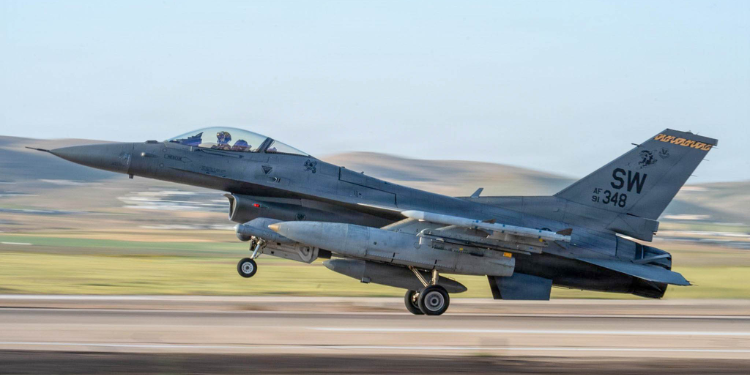
The briefing came hours after reports confirmed significant casualties in Iran following coordinated strikes that U.S. officials said targeted military and nuclear-linked infrastructure.
The operation marks one of the most direct U.S. military actions against Iran in years and has already triggered sharp reactions across the Middle East.
Also Read: Trump Reveals Plan to Seek Another Term in Bold Move Defying Two-Term Limit
Hegseth argued that the strike was rooted in long-standing warnings from Washington about Iran’s nuclear ambitions and regional behavior.
Hegseth Stark Message to Iran
“President Trump has been very consistent,” he said. “Crazy regimes like Iran, hell-bent on prophetic Islamist delusions, cannot have nuclear weapons. Many have said it, but it takes guts to actually enforce it. And our president has guts.”
The remarks underscore the Trump administration’s effort to portray the strike not as an escalation, but as the culmination of years of threats, sanctions, and red lines that officials say Iran repeatedly crossed.
According to Hegseth, the operation was intended to cripple Iran’s ability to advance weapons programs and project military power through allied militias across the region.
In his most provocative statement, Hegseth appeared to directly reference Iran’s long-standing anti-American rhetoric.
“It turns out the regime who chanted death to America was gifted death from America,” he said.
The senior official also issued a deadly warning, noting that they will kill anyone who threatens Americans.
“If you kill Americans, if you threaten Americans anywhere on earth, we will hunt you down without apology and without hesitation, and we will kill you’, Peter noted.
At the Pentagon, officials emphasized that the United States is not seeking a prolonged war. Hegseth insisted that the operation had clear, limited objectives and was not aimed at occupying Iranian territory or forcing regime change.
“This is not about endless war,” he said. “This is about ending threats before they reach American cities, American troops, and American allies.”
Americans Divided Over Hegseth’s Warning
The remarks triggered an immediate backlash online, with many Americans rejecting the administration’s framing of the conflict and accusing officials of misleading the public.
Several critics pushed back strongly against the claim that the United States did not initiate the war, arguing instead that the strike constituted an illegal act of aggression against Iran.
“This is false. You did start it. This is an illegal war with Iran,” one response read, disputing the assertion that Washington was merely reacting to events beyond its control.
Others questioned claims that the operation was not aimed at regime change, pointing out that Iran’s leadership structure has already been destabilized following the strike. Some commenters also dismissed arguments about an imminent nuclear threat, saying Iran’s nuclear capabilities had previously been curtailed and did not justify military action.
There was also anger directed personally at U.S. defense officials, with critics accusing them of using tough language for political theatrics rather than substance.
“That must have sounded tough in the mirror this morning,” one reaction said sarcastically, while another described the administration as a “nightmare” and expressed frustration over what they viewed as reckless leadership.
Also Read: Trump Warns Iran of “Unprecedented Force” After Threat of Major Attack
Some responses warned of legal consequences, called for accountability, and suggested that the statements made during the briefing could be revisited in future investigations or trials.
Others argued that the rhetoric could have the opposite of its intended effect, claiming that anti-American sentiment in the region would only intensify as a result of the strike and the language used to justify it.
The sharp online response highlights the deep divisions among Americans over the strike on Iran and the broader foreign policy direction under President Donald Trump. While supporters see the operation as long-overdue enforcement against a hostile regime, critics warn it risks escalating tensions and entangling the United States in another prolonged Middle East conflict.
Trump’s administration relied on diplomacy. Allies say the message is meant to deter beyond Iran, while critics argue it risks normalizing open conflict as a tool of foreign policy.
Follow our WhatsApp Channel and X Account for real-time news updates