According to Bloomberg’s Mark Gurman in his latest Power On newsletter, Apple’s design influence, once visible across hardware, software, packaging, and retail experiences, has become increasingly fragmented.
Although Apple products remain premium and carefully manufactured, the unified design philosophy that shaped earlier generations has weakened.
Apple’s Design Culture Faces Growing Criticism
The company’s hardware families now feel less connected, while software has faced criticism for focusing more on visual changes than improving clarity and usability.
The concerns go beyond aesthetics, pointing to a broader challenge in maintaining the design discipline that helped Apple differentiate itself.
Following the departure of longtime design chief Jony Ive in 2019 and the exit of several key designers, responsibility for Apple’s design direction has shifted.
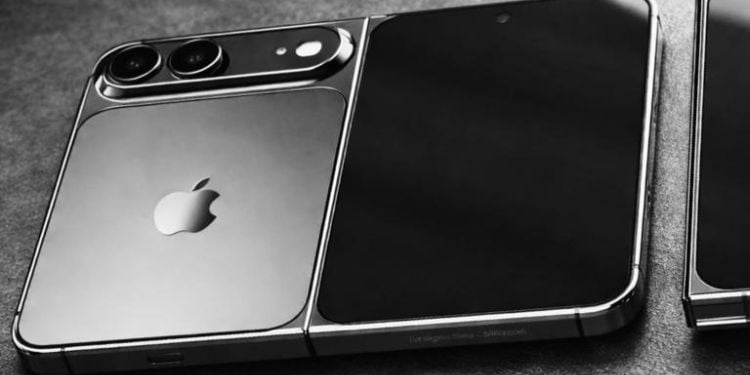
Also Read: Apple to Shake Up Foldable Market in 2026 with iPhone Fold Launch
Operational priorities have increasingly taken center stage, reducing the influence of the top-down design approach that shaped the company under Steve Jobs.
Ternus Brings Engineering Expertise
At 51, Ternus represents a different type of leader for Apple. He joined the company in 2001 and climbed through the hardware engineering ranks, eventually overseeing product engineering for major product lines including the Mac, iPad, and iPhone.
His background gives him deep knowledge of hardware development, manufacturing, and Apple’s custom silicon strategy. His appointment signals confidence in product expertise rather than a leader focused primarily on finance or services.
However, moving from an engineering and execution role into setting the company’s overall creative direction will be a major test of his leadership.
Need to Rebuild Design Authority
Gurman argues that Ternus will need to strengthen Apple’s design leadership early in his tenure. The company still maintains major advantages through its control over hardware, software, and silicon development, a level of integration few competitors can match.
Also Read: Apple to Pay $250 Million to Users Over Delayed Siri AI
Without a stronger design vision that connects these areas, Apple risks losing the cultural impact and technological distinction that have made its products stand out.
AI Creates a New Design Challenge
Software consistency has become one of Apple’s biggest areas of concern. While recent updates such as Liquid Glass 2.0 have introduced performance improvements, critics have pointed to ongoing issues involving interface consistency and usability.
The rise of generative AI adds another layer of complexity. Apple must create experiences that make powerful AI tools accessible without confusing users, allowing people to control how and when AI features operate.
Gurman suggests that traditional design approaches may not be enough for this next phase. Apple’s future AI agents will require interfaces built around delegation and context awareness rather than traditional menus and touch interactions.