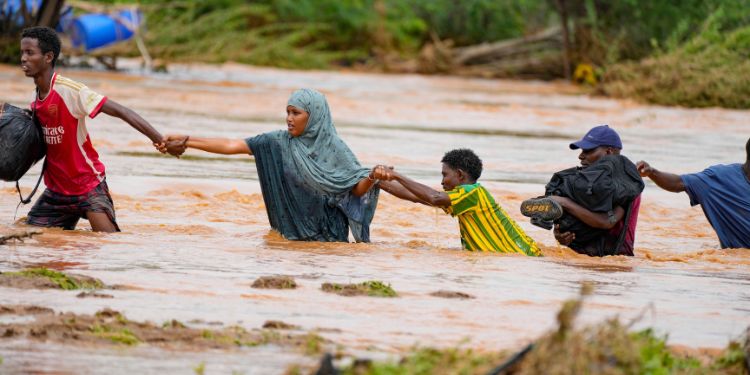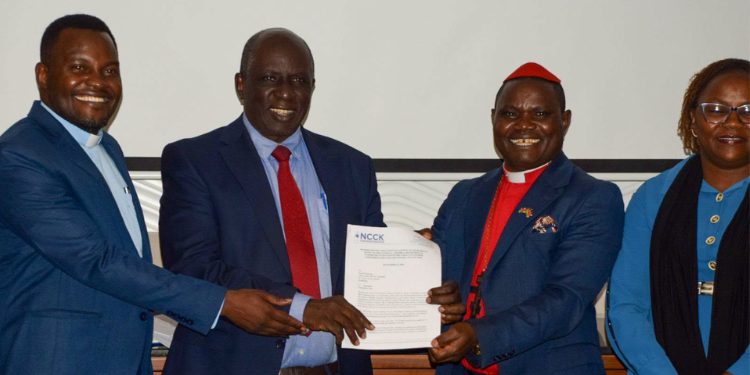

The government has placed 18 counties on high alert ahead of the anticipated El Niño weather conditions expected from October 2026.
In a statement dated August 10, Interior Cabinet Secretary Kipchumba Murkomen said authorities have identified areas that could face flooding, landslides, drought, disease outbreaks, infrastructure damage and disruption of essential services.
“Areas exposed to various risks, including flash floods, landslides, drought, disease outbreaks and infrastructure damage, have been mapped as part of the wider plan to mitigate the effects of El Niño,” said Murkomen.
The warning comes as Kenya prepares for the October-November-December rainfall season, with Kenya Met forecasting above-normal rainfall in several parts of the country.
Murkomen Identifies Areas at Risk
According to the government assessment, the high-risk areas are spread across several regions, with different counties facing different weather-related threats.
Also Raed: Kenya Met Reveals When Above-Normal Rains Will Begin, Warns of Very Strong El Niño
In the Coast region, the areas identified include Tana River, Kilifi, Lamu, Mombasa and Kwale. These areas are vulnerable to flooding and other hazards associated with heavy rainfall, particularly in low-lying areas and locations with inadequate drainage.
The Lake Basin region includes Kisumu, Busia, Siaya, Homa Bay and Migori. The region is considered vulnerable to flooding, landslides, disease outbreaks and displacement when heavy rains affect communities and infrastructure.
The government has also identified major urban centers, including Nairobi, Mombasa and Kisumu, where heavy rainfall could result in flooding, blocked drainage systems, strain on infrastructure and disruptions to essential services.
In the Rift Valley region, the government has highlighted Turkana, Baringo, West Pokot and Narok.
In North Eastern Kenya, the counties of Garissa, Wajir and Mandera have also been placed among the areas requiring preparedness. The region faces risks associated with drought, water shortages, livestock losses and food insecurity.
Government Steps Up El Niño Preparedness
The government has directed early preparedness as forecasts point to potentially significant rainfall during the October-December season.
National Disaster Operations Center has been involved in mapping areas considered vulnerable to different hazards. This planning is intended to help authorities respond more quickly when floods, landslides, displacement or other emergencies occur.
“The National Emergency Multi-Agency and County Emergency Response teams have been put on high alert and are being sensitized on their roles in view of the expected weather situations,” added Murkomen.
The government also warned communities in vulnerable areas to remain alert as weather conditions change. Heavy rainfall can rapidly transform normally passable roads and drainage channels, while flooding can affect homes, schools, businesses and transport networks.
Also Read: World Weather Body Warns of Strong El Niño in Kenya
Kenya is seeking about $450 million (approximately KSh58 billion) in emergency financing to help cushion Kenyans from the economic effects of the Iran war and El Niño in October.
According to a Bloomberg report, Kenya has approached the World bank to strengthen Kenya’s capacity to respond to external economic shocks and climate-related risks.
It further states that the government is finalizing a Contingent Emergency Response Project (CERP) through which the Washington-based lender will channel the funds.
Follow our WhatsApp Channel and X Account for real-time news updates.