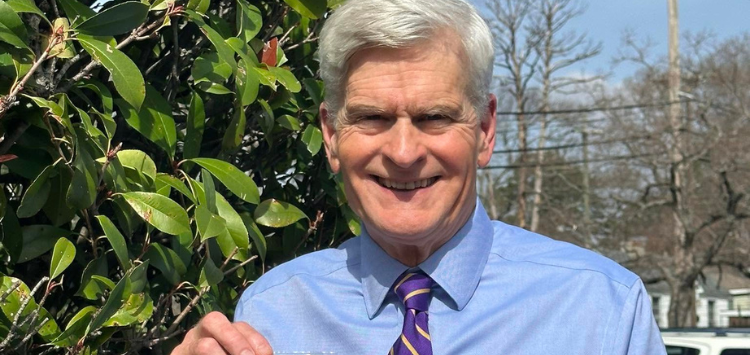
Sen. Bill Cassidy, R-La., dropped his support for a Democrat-led war powers resolution restricting President Trump’s actions in Iran after a White House briefing secured in the aftermath of a heated confrontation with the president.
Cassidy described the episode in an interview for “Face the Nation with Margaret Brennan,” saying the briefing addressed his core objection: lack of information from the administration on military objectives.
The Heated Senate Lunch Meeting
On Wednesday, Trump met with Senate Republicans and sharply criticized four GOP senators, including Cassidy, who had backed the resolution the previous day. Cassidy said the president raised his voice during the closed-door session.
Cassidy stood and responded directly. He listed administration objectives in Iran, degrading nuclear capability, ballistic missiles, and conventional forces, that he said were not being met, with the timeline for results stretching longer. Trump spoke over him. Cassidy raised his own voice in reply.
“I shouldn’t have lost my temper, nor should he,” Cassidy told Brennan. He attributed the flare-up partly to his “Irish temper” but pushed back against the tone of the meeting. “I’m not there to be berated,” he said. “The president wasn’t invited to dish out verbal abuse.”
Cassidy had voted for earlier versions of the measure because Congress was not receiving adequate briefings. “We could be the Senate, the Congress, or the United States, and I felt it important that we be briefed,” he said.
Also Read: Trump Erupts at Sen. Cassidy Over Iran War Powers in Heated GOP Lunch Clash
Securing the Briefing
After the exchange, Cassidy passed a note to Steve Witkoff, Trump’s Middle East envoy, who was present. The note stated Cassidy would consider changing his vote if he received a briefing.
“Steve, I would consider changing my vote, but I’ve been voting yes because I’ve not been briefed,” Cassidy recalled writing. Witkoff arranged the session for that evening.
The briefing took place Wednesday night. By the key vote later that evening, Cassidy opposed the resolution, helping Republicans defeat the Democratic effort.
What Changed Cassidy’s Mind
Cassidy, a physician, said his approach mirrors medical practice. Without full information, he cannot properly assess a situation or support a course of action.
“You deny me that information, and I’m going to be frustrated, because my job is to serve with the information I have before me,” he said. “I take that same ethic to public service.”
In the briefing, administration officials outlined a plan to achieve the stated goals against Iran. Cassidy said it appeared plausible.
“If the original objectives were to degrade Iran’s nuclear capability, its ballistic missiles, and conventional warfare capabilities, it appeared to me that the objectives can be reached,” he said. “Now we have to trust but verify, but as they laid it out, they have a plausible plan by which to achieve those.”
He emphasized that his earlier votes were not opposition to Trump’s aims but insistence on congressional oversight through information.
“I agreed with the president’s original goals, those were not being achieved by my perception, and so before I could say, ‘okay, everything’s hunky dory,’ I said I need to be briefed.”