Some young Cubans are openly expressing support for possible U.S. intervention as the island faces worsening blackouts, food shortages, and economic collapse under mounting pressure from the Trump administration’s sanctions campaign.
In interviews with Newsweek published Sunday, several young residents in Havana said they no longer believe Cuba’s communist system can provide them with a future.
Many blamed the government for years of corruption, economic mismanagement, and restrictions on private enterprise, even as officials continue to accuse the United States of deepening the crisis through sanctions and oil restrictions.
“We are suffering a lot right now,” one 23-year-old woman identified as Anna-Maria told Newsweek. “If intervention means things will improve, then let it happen now.”
The comments show growing frustration among younger Cubans who have spent years dealing with shortages and deteriorating living conditions. Cuba has faced repeated power outages, rising prices, and fuel shortages, while many neighborhoods in Havana struggle with uncollected garbage and limited public transportation.
Young Cubans Losing Faith in the System
Several of the young people interviewed by Newsweek said they no longer identify with the ideals of the Cuban Revolution that defined earlier generations.
An 18-year-old medical student identified as Yeli criticized the state of public education and healthcare, despite the government’s long-standing claims that both sectors are among the country’s greatest achievements.
Also Read: Harris Accuses Trump of Rigging 2026 Elections After Virginia Map Ruling
“They say you have free school and free medical care, but when you go there, there is no light, no materials, no medicine,” she said.
Her boyfriend Alejandro, also 18, told the outlet he hopes to leave Cuba for the United States in the near future. According to the report, many young Cubans see migration as their only chance at stability.
The economic crisis has accelerated an exodus from the island. Newsweek reported that at least 2 million Cubans have left the country in the past five years, creating concerns over a growing brain drain.
Older generations, however, appear more divided over the possibility of U.S. involvement.
One former Cuban army officer warned younger Cubans against supporting intervention, arguing they do not understand the historical consequences of U.S. influence in Cuba. Others said they remain loyal to the ideals established under former Cuban leader Fidel Castro, even as they acknowledge the country’s severe economic problems.
Trump Tightens Pressure on Havana
President Donald Trump has intensified pressure on Cuba during his second term, restoring and expanding sanctions that target the island’s economy and fuel supply.
According to Newsweek, Trump’s administration tightened restrictions on oil shipments to Cuba and increased pressure on countries supplying fuel to Havana. The report also noted claims that U.S. naval operations have disrupted some oil deliveries heading toward the island.
Trump has publicly suggested Cuba’s government could collapse without outside support from allies such as Venezuela. He has also indicated that Washington wants political change in Havana.
Also Read: Massive Fire Erupts at Cuba’s Largest Oil Refinery Amid U.S. Embargo
The U.S. embargo and recent sanctions are responsible for worsening conditions on the island. Government representatives told Newsweek the restrictions amount to economic warfare that hurts ordinary citizens.
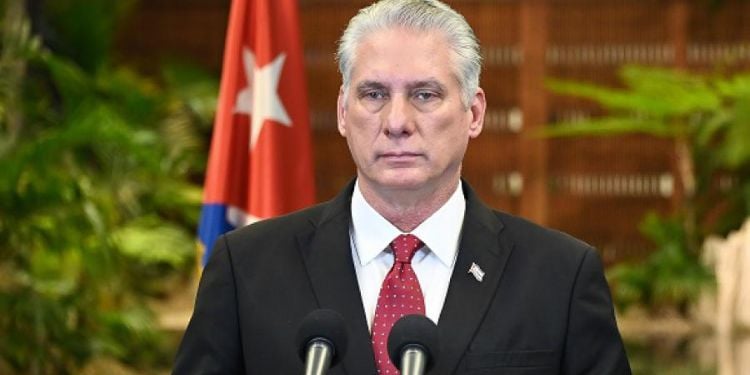
President Miguel Díaz-Canel recently told the publication that Cuba would resist any external aggression and accused Washington of attempting to force regime change.
The decades-old U.S. embargo against Cuba has remained one of the central points of tension between the two countries since the Cold War. While former President Barack Obama eased some restrictions during his administration, Trump reversed many of those policies during his first term and has expanded pressure since returning to office.
Why This Matters
The growing willingness among some young Cubans to discuss U.S. intervention marks a significant shift in public sentiment in a country where anti-American rhetoric has long been central to the ruling government’s identity.
The comments also reflect how deeply Cuba’s economic crisis has affected daily life, especially for younger generations facing blackouts, shortages, and limited economic opportunity.