Monday, August 31, 2026
  • News
    • Latest News
    • Breaking News
    • Fact Check
    • Investigations
    • Explainers
  • Politics
    • Global Politics
    • Elections
    • Government & Policy
    • Diplomacy
    • Conflicts & Security
    • Political Analysis
  • Business
    • Global Economy
    • Markets
    • Technology
    • Startups
    • Energy
    • Finance
  • World News
    • Americas
    • Asia
    • Asia Pacific
    • Africa
    • Europe
    • Middle East
  • Africa
    • Central Africa
    • East Africa
    • West Africa
    • Southern Africa
  • Health
    • Global Health
    • Public Health
    • Health Policy
    • Medical Research
    • Diseases & Conditions
    • Mental Health
    • Nutrition
    • Climate & Health
    • Health Explainers
  • Sports
    • World Cup 2026
    • Athletics
    • Basketball
    • Boxing
    • Cricket
    • Football
    • Formula 1
    • Golf
    • Rugby
  • Weather
    • Climate Business
    • Climate Change
    • Climate Solutions
    • Living Green
  • Culture
    • Arts
    • Film & TV
    • Food and Recipes
    • Music
    • Lifestyle
    • Travel
  • Opinion
    • Editorials
    • Letters
  • Behind The Brand
REGISTER
LOGIN
No Result
View All Result
The Kenya Times
  • News
    • Latest News
    • Breaking News
    • Fact Check
    • Investigations
    • Explainers
  • Politics
    • Global Politics
    • Elections
    • Government & Policy
    • Diplomacy
    • Conflicts & Security
    • Political Analysis
  • Business
    • Global Economy
    • Markets
    • Technology
    • Startups
    • Energy
    • Finance
  • World News
    • Americas
    • Asia
    • Asia Pacific
    • Africa
    • Europe
    • Middle East
  • Africa
    • Central Africa
    • East Africa
    • West Africa
    • Southern Africa
  • Health
    • Global Health
    • Public Health
    • Health Policy
    • Medical Research
    • Diseases & Conditions
    • Mental Health
    • Nutrition
    • Climate & Health
    • Health Explainers
  • Sports
    • World Cup 2026
    • Athletics
    • Basketball
    • Boxing
    • Cricket
    • Football
    • Formula 1
    • Golf
    • Rugby
  • Weather
    • Climate Business
    • Climate Change
    • Climate Solutions
    • Living Green
  • Culture
    • Arts
    • Film & TV
    • Food and Recipes
    • Music
    • Lifestyle
    • Travel
  • Opinion
    • Editorials
    • Letters
  • Behind The Brand
  • News
    • Latest News
    • Breaking News
    • Fact Check
    • Investigations
    • Explainers
  • Politics
    • Global Politics
    • Elections
    • Government & Policy
    • Diplomacy
    • Conflicts & Security
    • Political Analysis
  • Business
    • Global Economy
    • Markets
    • Technology
    • Startups
    • Energy
    • Finance
  • World News
    • Americas
    • Asia
    • Asia Pacific
    • Africa
    • Europe
    • Middle East
  • Africa
    • Central Africa
    • East Africa
    • West Africa
    • Southern Africa
  • Health
    • Global Health
    • Public Health
    • Health Policy
    • Medical Research
    • Diseases & Conditions
    • Mental Health
    • Nutrition
    • Climate & Health
    • Health Explainers
  • Sports
    • World Cup 2026
    • Athletics
    • Basketball
    • Boxing
    • Cricket
    • Football
    • Formula 1
    • Golf
    • Rugby
  • Weather
    • Climate Business
    • Climate Change
    • Climate Solutions
    • Living Green
  • Culture
    • Arts
    • Film & TV
    • Food and Recipes
    • Music
    • Lifestyle
    • Travel
  • Opinion
    • Editorials
    • Letters
  • Behind The Brand
No Result
View All Result
The Kenya Times ~ Trending, Breaking News and Videos
No Result
View All Result
ADVERTISEMENT

Lake Victoria Is Turning Green – The Deadly Bacteria Behind It

The ConversationbyThe Conversation
February 13, 2025
Reading Time: 7 mins read
Lake Victoria

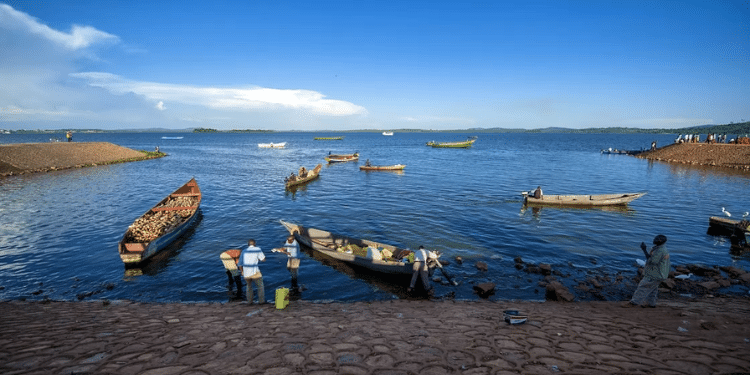
Lake Victoria. PHOTO: Brilliant Uganda

FacebookTwitterLinkedInRedditWhatsApp
Advertisement

Lakes, natural and man-made, provide water, food and habitats for wildlife, as well as supporting local economies. Around the world, though, there’s a growing threat to lakes: toxic bacteria which turn the water green.

This is the same green as you see on stagnant ponds. It’s caused by tiny organisms called cyanobacteria and can be deadly.

Cyanobacteria thrive in warm, sunny lakes and ponds that contain excess nitrogen and phosphorus nutrients derived from fertiliser, manure and sewage. When conditions are right, cyanobacteria multiply rapidly and form smelly green scums on the water’s surface.

Known to science as cyanoHABs (cyanobacterial harmful algal blooms), the scums are harmful to livestock, wildlife, pets, people and aquatic organisms like fish. Toxins make untreated water unsafe to drink, swim in, or even touch. Sometimes they can become suspended in air and be inhaled. The cyanoHABs also harm ecosystems by depleting oxygen, killing off whatever lives in the water, and disrupting food webs and fisheries.
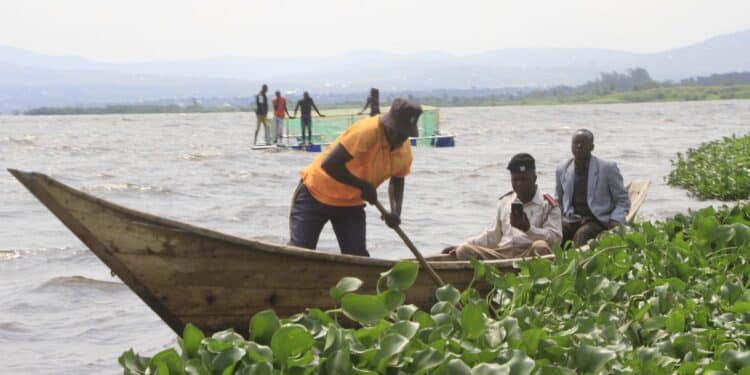
Water Hyacinth In Lake Victoria. Photo: Kenya News Agency
Water Hyacinth in Lake Victoria. PHOTO: Kenya News Agency

Also Read: How Chemicals Are Destroying Lake Victoria, South Africa’s Vaal and Kenya’s Nairobi River


CyanoHABs are a global threat and receive considerable scientific attention in North America and Europe. Blooms are becoming more widespread worldwide because rising temperatures promote cyanobacterial growth and more intense rainfall delivers nutrients from the landscape. Only effective management of nutrients can reverse this trend.

The problem is understudied in Africa’s main lakes, including its largest – Lake Victoria. Past research on cyanoHABs has mostly used microscopy to study the kinds found there, but microscopy cannot differentiate between toxic and non-toxic cyanobacterial cells.

We are on a large project team of scientists who have been studying the socioeconomic and environmental effects of cyanoHABs in the Winam Gulf region of Lake Victoria in South-Western Kenya.

Our latest study identified which cyanobacteria were the most abundant in the gulf and which ones were producing the main toxin of concern.

These findings can improve public safety:

  • local authorities can monitor for specific cyanobacteria and warn residents to stay away when blooms are present
  • cyanoHAB prevention practices (nutrient reduction, land-use practices) can target the cyanobacteria that cause the problem.

Greening of lakes

Lake Victoria now receives large influxes of nutrients because of growing lakeside populations and land-use changes. Nutrients from agriculture, industry and urbanisation fuel the growth of cyanoHABs.

CyanoHABs occur in many basins in Lake Victoria but are highly concentrated in Kenya’s shallow Winam/Nyanza Gulf. Changing nutrient and temperature conditions can also alter which types of cyanobacteria dominate the gulf and the types and levels of toxins in the water. Lakeside communities that rely on the gulf for drinking water and domestic tasks are at risk of exposure to cyanoHAB toxins.

Past research on cyanoHABs has mostly used the oldest of microbiological techniques — microscopy — to classify the types of cyanobacteria in the gulf. This cannot differentiate between toxic and non-toxic cyanobacterial cells.

Modern genome sequencing technologies can identify genes encoding the production of known and novel toxins and other molecules of interest, such as those with medicinal properties. Genomic data from African Great Lakes is scarce, so the chemical capabilities of bacteria in this region are largely unexplored. But this is beginning to change.

Our latest study adds to a growing number of recent studies our team has carried out in and around Lake Victoria. In this study, our research vessel stopped at over 31 sites to collect scientific samples and data. The samples were later analysed for DNA, the biological “instruction manual” inside every living thing. DNA tells an organism how to grow, function, reproduce, and – in the case of cyanobacteria – make deadly toxins. This analysis produced near-complete genome sequences – that is, the set of all genes in the DNA – for organisms at each sampling site.

Past reports identified Microcystis as the dominant cyanobacteria in the Winam Gulf. Our research, however, found Dolichospermum was the most abundant type in major cyanoHAB events there. This finding might be due to recent environmental changes in the region.

But we linked Microcystis to microcystin. This is a liver-damaging toxin that can kill livestock, wildlife and humans, especially those whose immune system isn’t working well. In Winam Gulf, it’s often more abundant than the health limits set by the WHO.

Our study also found that Microcystis occurs mainly in murkier river mouths where green scums are not visible, making scientific monitoring and public alerts even more important.

Local authorities can now monitor for these cyanobacteria and warn residents to stay away when blooms are present.

The findings also mean that authorities know which cyanobacteria to target in prevention efforts like reducing the amount of phosphorus and other nutrients entering the gulf.

Lastly, our genomic study uncovered over 300 uncharacterised genes that may produce novel cyanobacterial molecules. These molecules could have toxic or therapeutic effects, and provide an opportunity for future investigators to explore.


Also Read: Cage Fishing: Solving Lake Victoria’s Dipping Fish Fortunes


A model for what is to come

Rapid human population growth and settlement around lakes and their watersheds is leading to high levels nutrients in lakes around the world. This results in excessive growth of algae and aquatic plants. This danger is likely to increase with global warming because warm temperatures promote algal blooms.

Our data provides a foundation for remedying this in Lake Victoria – and possibly discovering beneficial properties in cyanoHABs.The Conversation

Lauren Hart, PhD candidate, Michigan Geomicrobiology Lab, University of Michigan; George S Bullerjahn, Distinguished Research Professor and Director, Great Lakes Center for Fresh Waters and Human Health, Bowling Green State University; Gregory J. Dick, Professor and Director, Cooperative Institute for Great Lakes Research, University of Michigan, and Kefa M. Otiso, Professor of Geography, Bowling Green State University

This article is republished from The Conversation under a Creative Commons license. Read the original article.


Water Hyacinth In Lake Victoria. Photo: Mongabay
Water Hyacinth in Lake Victoria. PHOTO: Mongabay
Tags: HyacinthLake Victoria
The Conversation

The Conversation

The Conversation is an independent news organization that publishes evidence-based articles written by experts to help readers understand diverse topics. We cover a wide range of areas including arts, culture, education, health, politics, science, and more¹. Their content is characterized by in-depth analysis, research, news, and ideas from leading academics and researchers. The Conversation aims to provide academic rigor with journalistic flair.

Related Posts

Lamu Mangrove Forum

Government Rallies Stakeholders to Shape Kenya’s Mangrove Future  

July 25, 2026
Kenya Forest Service

KFS, Scouts Turn Guinness Bid Into Major Mangrove Restoration Mission 

July 24, 2026
Felistus Kaveva

Kaptagat Cycling Challenge Unites Sport, Inclusion and Conservation

July 3, 2026
Icpac Predicts Hotter Months Ahead For Kenya Between June And September  

Kenya Listed Among Countries Set for Hotter-Than-Usual Season

May 20, 2026
ADVERTISEMENT

The Kenya Times Facebook

LATEST NEWS

  • PHOTO STORY: Chemelil Sugar Revival Breathes New Life Into Kenya’s Sugar Belt
  • Full List of SHA-Accredited Health Facilities in Baringo County
  • More Revenue for Health Will Not Be Enough Without Budget Credibility
  • UK Warns Its Citizens Against Travel to Kenya in Fresh Advisory
  • Why Naming a Next of Kin at Work Won’t Decide Who Gets Your Money After Death
  • Kenya Airways Cancels Flights as JKIA Delays Top Six Hours
  • How AI Is Changing the Way We Write — and Why Knowing What’s Real Matters More Than Ever
  • HELB Begins Sending Upkeep Funds to Students: How to Check
  • KUCCPS Reopens Applications for Select KMTC Courses Ahead of September Intake
  • Drama at Makueni Burial as Heated Exchange Forces Priests to Walk Out
  • Court Issues Way Forward on Possible Exhumation of Rosemary Koech Following Kimwatu’s Submission
  • FKF Premier League Start Further Delayed After Court Clarification in Sharks Appeal
  • CBK Allows Uhuru Kenyatta-Linked Bank to Be Sold to South African Firm in Ksh116.3 Billion Deal
  • KRA Explains How Kenyans Can Get Tax-Free Gratuity Under Finance Act 2026
  • Mariga Issues Stark Warning to FKF Amid AFCON 2027 Preparations
ADVERTISEMENT

Company

About Us

Our Authors

Our Experts

Social Media

Policies

Privacy Policy

House Rules

Standards and Policies

Terms and Conditions

Subscription

My Account

Contact Us

Contact Us

Join Our Team

Advertise With Us

© Copyright 2026 | The Kenya Times | All Rights Reserved

Welcome Back!

Sign In with Facebook
Sign In with Google
Sign In with Linked In
OR

Login to your account below

Forgotten Password? Sign Up

Create New Account!

Sign Up with Facebook
Sign Up with Google
Sign Up with Linked In
OR

Fill the forms below to register

All fields are required. Log In

Retrieve your password

Please enter your username or email address to reset your password.

Log In
Your Privacy and Cookies
We use cookies on our website to give you the most relevant experience by remembering your preferences and repeat visits. By clicking “Accept”, you consent to the use of ALL the cookies.
Do not sell my personal information.
Cookie settingsACCEPT
Privacy & Cookies Policy

Privacy Overview

This website uses cookies to improve your experience while you navigate through the website. Out of these cookies, the cookies that are categorized as necessary are stored on your browser as they are essential for the working of basic functionalities of the website. We also use third-party cookies that help us analyze and understand how you use this website. These cookies will be stored in your browser only with your consent. You also have the option to opt-out of these cookies. But opting out of some of these cookies may have an effect on your browsing experience.
Necessary
Always Enabled
Necessary cookies are absolutely essential for the website to function properly. This category only includes cookies that ensures basic functionalities and security features of the website. These cookies do not store any personal information.
Functional
Functional cookies help to perform certain functionalities like sharing the content of the website on social media platforms, collect feedbacks, and other third-party features.
Performance
Performance cookies are used to understand and analyze the key performance indexes of the website which helps in delivering a better user experience for the visitors.
Analytics
Analytical cookies are used to understand how visitors interact with the website. These cookies help provide information on metrics the number of visitors, bounce rate, traffic source, etc.
Advertisement
Advertisement cookies are used to provide visitors with relevant ads and marketing campaigns. These cookies track visitors across websites and collect information to provide customized ads.
Others
Other uncategorized cookies are those that are being analyzed and have not been classified into a category as yet.
SAVE & ACCEPT
LOGIN | REGISTER
  • Login
  • Sign Up
  • Cart
No Result
View All Result
  • News
    • Latest News
    • Breaking News
    • Investigations
    • Explainers
    • Fact Check
  • Politics
    • Global Politics
    • Conflicts & Security
    • Elections
    • Diplomacy
    • Government & Policy
    • Political Analysis
  • Business
    • Global Economy
    • Markets
    • Technology
    • Startups
    • Energy
    • Finance
  • World News
    • Americas
    • Asia
    • Asia Pacific
    • Africa
    • Europe
    • Middle East
  • Africa
    • East Africa
    • West Africa
    • Southern Africa
    • Central Africa
  • Health
    • Global Health
    • Public Health
    • Health Policy
    • Medical Research
    • Diseases & Conditions
    • Mental Health
    • Nutrition
    • Climate & Health
    • Health Explainers
  • Sports
    • World Cup 2026
    • Athletics
    • Basketball
    • Boxing
    • Cricket
    • Football
    • Formula 1
    • Golf
    • Rugby
  • Weather
    • Climate Business
    • Climate Change
    • Climate Solutions
    • Living Green
  • Culture
    • Arts
    • Film & TV
    • Food and Recipes
    • Lifestyle
    • Music
    • Travel
  • Opinion
    • Editorials
    • Letters
  • Behind The Brand
  • Contact Us

Not enough quota to unlock this post
Unlock left : 0
Are you sure want to cancel subscription?