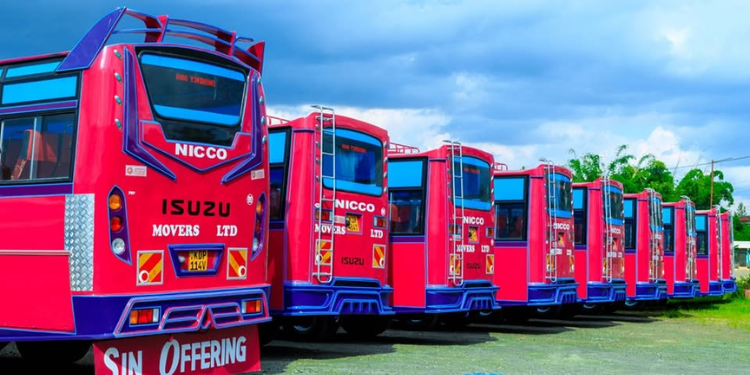
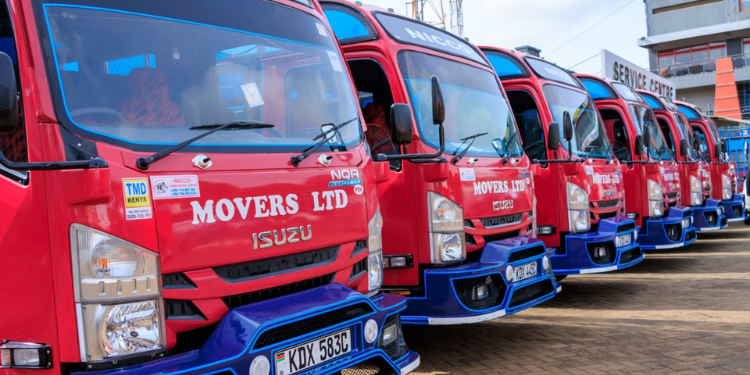
Nicco Movers 1 SACCO is among the largest and most recognizable public transport operators serving Nairobi and the wider Thika Superhighway corridor.
The SACCO is best known for providing commuter transport services between Nairobi CBD, Githurai, Kimbo, Ruiru, Juja and Thika Town, areas that have experienced rapid population growth over the last two decades.
The operator has established itself as a major player in the PSV sector through a combination of fleet expansion, route dominance and structured operations.
The company’s rise has largely mirrored the transformation of Thika Road following the construction of the Thika Superhighway from 2009 to 2012, which turned towns such as Juja, Ruiru, and Kimbo into major commuter centers.
Fleet Expansion and Investment
The SACCO runs a fleet of 33-seater and 46-seater buses that ferry thousands of passengers daily.
Unlike many operators that relied heavily on smaller matatus, Nicco Movers strategically embraced larger buses early, allowing it to transport more passengers while maintaining operational efficiency.
Over time, Nicco Movers became one of the most visible transport brands on Thika Road, with commuters associating it with reliability, predictable fares and organized operations.
According to the company, Nicco Movers now has approximately 90 vehicles operating under the SACCO’s umbrella.
A 46-seater bus operating under the SACCO reportedly costs around Sh7 million when purchased new.
Such investments have enabled the operator to maintain a sizeable and competitive fleet.
How the Business Operates
Operational insights shared by a Nicco Movers driver identified as Stevo revealed the scale of activity within the SACCO.
Also Read: Latema SACCO Routes, Stages, Parcel Services and Electric Buses Explained
According to the driver, buses can make up to 11 trips daily on the Thika Road route.
The SACCO’s business model focuses on volume rather than fare volatility, enabling it to maximize returns through high passenger turnover.
Drivers begin work as early as 5 a.m. and finish around 9 p.m., working five days a week.
Daily wages average about Ksh1,500, with earnings rarely falling below Ksh1,000 even during slower periods.
Based on those figures, drivers can earn more than Ksh25,000 per month.
The SACCO has also been associated with a relatively stable fare strategy.
According to the driver, commuters are often charged about Ksh70 even during rush hours, a move aimed at attracting and retaining customers.
This pricing strategy helped Nicco build trust among commuters on a route where peak-period fare hikes are common.
For investors, the returns can be significant. Vehicle owners reportedly earn between Ksh13,000 and Ksh15,000 per day after deducting fuel, wages and other operating expenses.
Weekend returns average about Ksh9,000 daily. Insurance, route licenses and county permits are typically managed through the SACCO structure.
Another factor behind Nicco’s growth has been its adoption of technology.
The company uses the commute digital platform to improve accountability and reduce revenue leakages.
Also Read: Metro Trans SACCO: Owners, History, Rise, and Routes Explained
Each bus is linked to a dedicated payment channel, making it easier to track collections, monitor revenue flows, and compare performance across routes and crews.
Nicco Movers Leadership, Ownership and Regulatory Challenges
Publicly available information identifies Phenius Gitau as the Chief Executive Officer of Nicco Movers.
He became the public face of the organization during legal proceedings involving the SACCO in 2026 and swore affidavits on behalf of the company.
The company also operates publicly as Nicco Movers Limited.
The company also identifies Joh Kiambo as the director associated with the company and its financing arrangements, including the acquisition of new buses through bank financing.
However, Nicco Movers came under intense public scrutiny in June 2026 following the death of Kenya Medical Training College student Eugene Mutuku in an incident involving a vehicle operating under the SACCO.
The tragedy prompted investigations by the National Transport and Safety Authority (NTSA).
Following investigations, NTSA announced that the SACCO’s management had allegedly lost control of fleet operations, lacked adequate safety protocols, and had failed to address serious safety concerns.
The authority further stated that some vehicles operating under the SACCO posed a risk to road users.
As a result, NTSA revoked the operator’s license of Nicco Movers 1 SACCO and ordered its vehicles off the road.
Law enforcement officers were directed to impound any vehicles found operating in violation of the order.
The SACCO challenged the decision before the Transport Licensing Appeals Board (TLAB).
Through CEO Phenius Gitau and its legal team, Nicco Movers argued that it had been denied a fair hearing before the license was revoked.
The Appeals Board later allowed the SACCO to resume operations while requiring it to implement enhanced safety compliance measures pending further proceedings.
The decision provided temporary relief to the operator and hundreds of employees whose livelihoods depend on the business.
Follow our WhatsApp Channel and X Account for real-time news updates.