The United States is reportedly preparing to board and seize oil tankers and commercial vessels linked to Iran in international waters around the world, significantly expanding its ongoing maritime crackdown tied to the conflict with Iran, according to U.S. officials.
The planned operations, reported by The Wall Street Journal, would extend beyond the Middle East and target ships suspected of violating sanctions or providing support to Iran.
U.S. officials said the effort would involve intercepting vessels globally, including so-called “dark fleet” tankers—ships accused of evading international regulations, sanctions, or insurance requirements.
The U.S. has already turned back 23 ships that have sought to leave Iranian ports as part of a naval blockade of Iranian ports, according to U.S. Central Command (CENTCOM).
Chairman of the Joint Chiefs of Staff Dan Caine on Thursday said the United States would intensify enforcement efforts.
The U.S. “will actively pursue any Iranian-flagged vessel or any vessel attempting to provide material support to Iran,” Caine said.
“This includes dark fleet vessels carrying Iranian oil. As most of you know, dark fleet vessels are those illicit or illegal ships evading international regulations, sanctions or insurance requirements.”
‘Economic Fury’ campaign in Iran
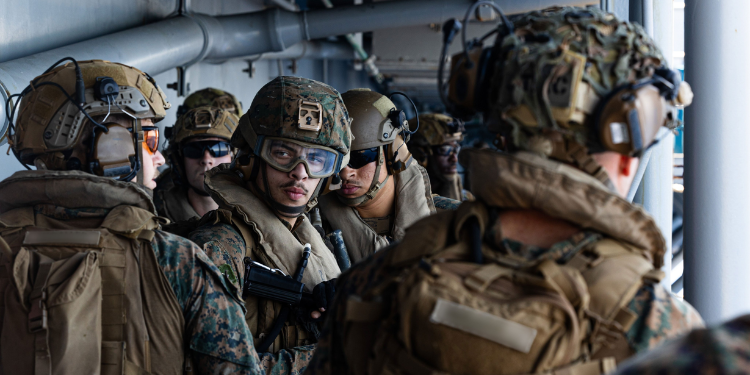
The expanded campaign is expected to involve multiple U.S. commands, including Indo-Pacific forces, as part of a broader strategy under President Donald Trump.
The maritime seizures are part of a wider U.S. initiative dubbed “Economic Fury,” aimed at increasing pressure on Iran through economic and military measures.
Also Read: “Dealbreaker”: Iran Reveals Key Trump Demand Blocking New Talks
White House spokeswoman Anna Kelly said the administration believes the approach could help push negotiations forward.
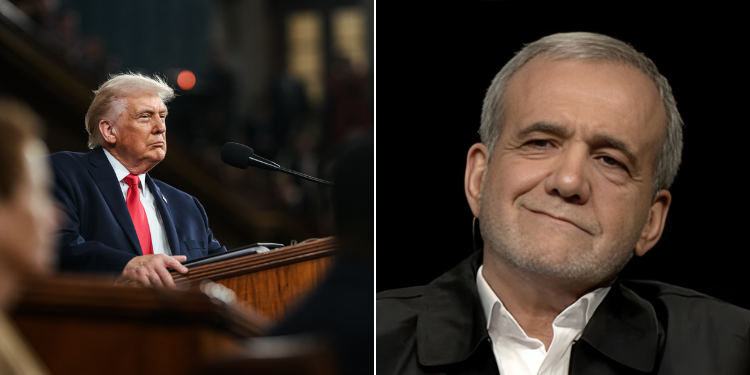
Trump is “optimistic” the measures will lead to a peace deal, Kelly told the newspaper.
Officials say the strategy is designed to expand leverage by targeting vessels carrying oil or other materials linked to Iran, potentially disrupting supply chains and financial flows.
Legal experts say the approach represents an aggressive interpretation of enforcement powers.
“It’s a maximalist approach,” said Mark Nevitt. “If you want to put the screws down on Iran, you want to use every single legal authority you have to do that.”
Rising tensions in the Strait of Hormuz
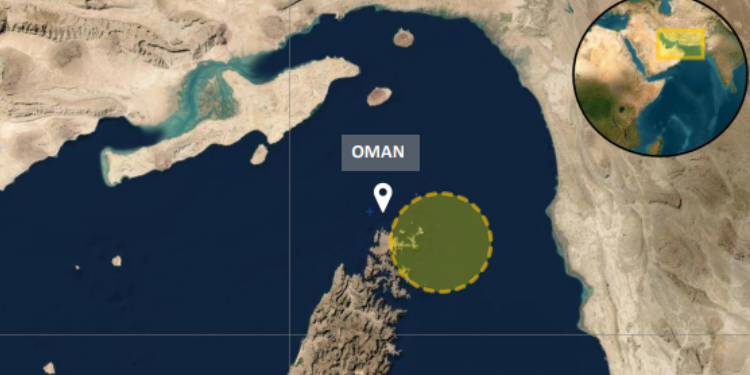
The move comes amid escalating tensions in the Strait of Hormuz, a critical global shipping route, where Iran has recently tightened control.
Iranian officials said earlier that the strait had been restored to its “previous status” under military control and would remain restricted unless the United States guarantees freedom of navigation for Iranian-linked vessels.
Iran’s Foreign Ministry spokesperson, Esmaeil Baghaei, defended Tehran’s position, arguing that international law permits it to take measures to prevent the waterway from being used for military purposes against the country.
“No rule of international law forbids Iran, the coastal State, from taking necessary measures,” Baghaei said in a statement.
Also Read: Trump Pulls Plug on Iranian Oil Sales After U.S. Naval Blockade
He also dismissed the concept of unrestricted transit in the strait under current conditions, saying such expectations no longer apply following recent military actions in the region.
Ongoing maritime confrontations
The U.S. Central Command has said it has already turned back multiple vessels attempting to leave Iranian ports since the start of its blockade operations.
At the same time, reports indicate that Iranian forces have taken action against ships in the strait, further heightening risks for commercial shipping.
Iran’s leadership has also issued warnings about potential escalation. In a message carried by state media, the country’s supreme leadership warned that its naval forces were prepared to respond to U.S. and Israeli actions.
The planned expansion of U.S. naval operations comes as both sides continue to exchange warnings while pursuing fragile diplomatic efforts.
President Trump has said the conflict could end within weeks, even as military activity continues and negotiations remain uncertain.
Iran, meanwhile, has maintained that key demands—such as the transfer of enriched uranium—are unacceptable, with officials describing them as “non-starters.”