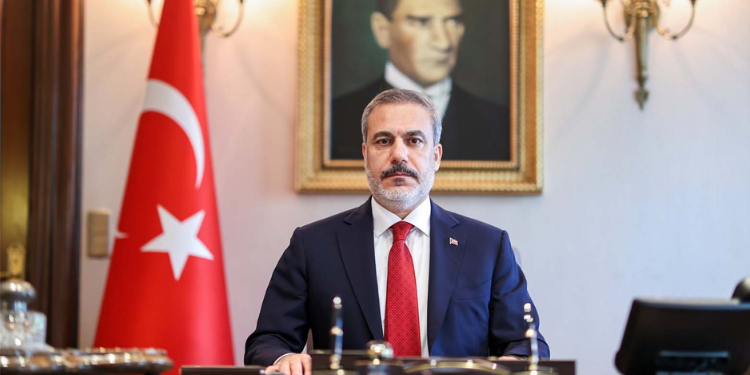
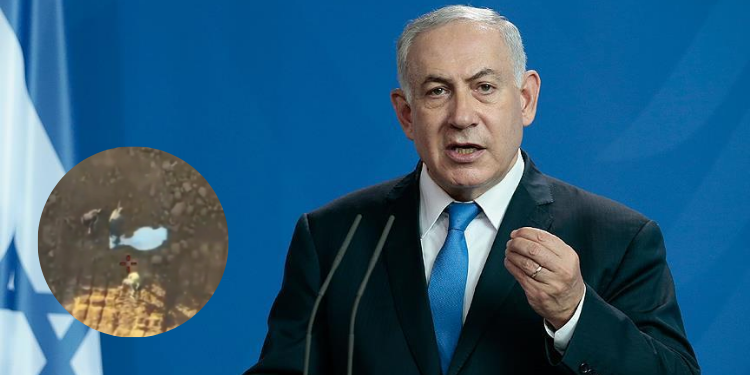
Turkey has placed Israel at the center of growing international concern, warning that its actions now pose security risks that extend beyond the Middle East and affect the wider world.
The warning was delivered by Turkish Foreign Minister Hakan Fidan during high‑level diplomatic meetings on April 19, as fighting and diplomatic tensions continued across several regional fronts.
Fidan said Israel’s conduct could no longer be considered a regional matter and argued that it had become a global security issue requiring international attention.
The remarks were made at the Antalya Diplomacy Forum (ADF), a major annual meeting attended by representatives from more than 140 countries, as well as diplomats and international organizations.
Turkey’s position comes amid ongoing conflict in Gaza, continued Israeli military operations near the borders of Lebanon and Syria, and heightened tensions involving Iran.
Ankara says these developments have broadened the scope of instability and increased the risk of a wider confrontation.
Turkey’s Position and Diplomatic Warning
Speaking at the ADF, Fidan stated that what he described as Israel’s expansionist approach had begun to threaten global security directly.
He said instability originating in the Middle East was no longer contained within the region but was affecting international peace and security structures.
Fidan told delegates that the international community faced an urgent responsibility to respond to rising instability.
Also Read: Australia Signals Intent to Join Strait of Hormuz Operation
He said the situation could not be sustained and warned that ongoing escalation risked drawing in more actors and deepening existing crises.
Turkey has repeatedly said that Israel’s military campaigns in Gaza and its wider regional posture have contributed to rising tensions.
Ankara argues that these actions have exacerbated humanitarian conditions, strained diplomatic relations, and weakened international efforts to resolve the conflict.
Turkish officials have also linked these concerns to broader global security challenges, including disruptions to trade routes, energy markets, and diplomatic stability.
Fidan insisted that Turkey does not view the matter as solely affecting Ankara or neighboring countries, but as an issue that affects global security frameworks, including the United Nations (UN), the North Atlantic Treaty Organization (NATO), and other international bodies.
Regional Context and International Reaction to Israeli Activities
Israel’s war in Gaza, which began in October 2023 following attacks by Hamas, has remained a central driver of tensions.
Also Read: Islamabad Under Heavy Security as Pakistan Prepares to Host Fresh Iran‑US Talks
Fighting has continued intermittently despite multiple international efforts aimed at ceasefires.
Israel has also carried out strikes linked to security concerns along its northern border, while maintaining operations affecting Syria.
Turkey has been among Israel’s most outspoken critics during this period.
Diplomatic relations between the two countries have sharply deteriorated, with Ankara suspending several forms of bilateral engagement and repeatedly calling for international intervention.
The Turkish government says the situation has contributed to wider instability involving Iran, Lebanon, and Syria, raising the risk of cross‑border escalation and further military confrontations.
Turkish officials have warned that such developments could undermine existing ceasefire arrangements and destabilize fragile diplomatic processes underway elsewhere.
At international forums, Turkey has coordinated with countries including Egypt and Pakistan to press for de‑escalation and renewed diplomatic engagement.
Ankara has called for stronger action by international institutions to address what it views as unchecked escalation.
Israel has rejected accusations that it is driving global instability, maintaining that its military operations are defensive and intended to protect national security.
Israeli officials have repeatedly said their actions are responses to threats posed by armed groups and regional rivals.