Touching down in Nairobi or Mombasa for the first time is a moment worth savoring.
The air will smell different, the light will be sharper, and your travel instincts will need to switch gears fast.
Kenya is easy to fall in love with, but it rewards a little preparation. Read this before you pack the last pair of socks.
Sort your paperwork before you leave the gate
Kenya moved its visa processes online a few years back.
Most visitors now need an electronic travel authorization, applied for and printed before arrival. The Kenyan eTA site explains the steps, and rules do change, so check it within a week of travel and save a PDF copy in multiple places.
Some recent updates exempt African nationals from the eTA; if you’re traveling from within the continent, verify the current exemption rules before you fly.
Bring digital caution with you.
Kenya’s cities have excellent cafes and hotels with Wi-Fi, but public networks are public for a reason.
If you plan to use banking apps or check sensitive work email on the go, install a reputable VPN before departure and keep it handy on arrival.
Try ExpressVPN download and activate it when you join airport or café networks; a VPN will encrypt traffic, reduce snooping risk, and help when regional content is blocked. Also, a local SIM card with data will keep you online more reliably than intermittent hotel Wi-Fi.
For payments, mobile money is the faster route in most places. Over half of Kenyan businesses and a large share of adults use mobile wallets, so learn M-PESA basics before you arrive.
Health: think regionally, not nationally
Medical advice for Kenya is local. Some highlands are low risk; other areas around Lake Victoria and the coast are malaria hotspots. Talk with your doctor about antimalarial prophylaxis and get routine vaccines in advance.
If you plan to go on safari far from cities, buy travel insurance that includes medical evacuation. Clinics in Nairobi and Mombasa are good, but rural hospitals are thin on supplies.
Pack a small first-aid kit, any prescription drugs you need, and copies of prescriptions.
Pack for layers and respect.
Kenya’s weather is full of surprises. It’s chilly during early morning safaris, but hot and sticky by the beach in the afternoon.
Your best bet is to pack layers so you can easily change as the temperature shifts. Dress modestly when you leave tourist beaches, especially in Muslim towns like Lamu. Also, leave the single-use plastic at home.
Kenya enforces a strict ban on plastic carrier bags and related items; supermarkets and parks will not accept them, and penalties are substantial. Carry a light reusable bag and a sturdy refillable water bottle.
Money, cards, and the practicalities of payment
ATMs and cards work in cities, but rural vendors and many conservancies prefer cash or mobile money. If you plan on using your card, keep some cash on hand for gas, tips, and street markets. Use ATMs inside banks to stay safe, and try to keep small bills for taxis. Finally, get a local SIM card; it’s the easiest way to keep your data costs low and make it simple to top up your phone or mobile wallet.
Safety: Be sensible and aware of regional risks
Kenya’s main tourist corridors are generally secure when you follow common-sense rules. Still, some border zones are unstable, and travel advisories exist for parts of the northeast and areas near Somalia. In cities, petty theft and scams happen; do not flash expensive gear, avoid walking alone late at night, and use reputable transport options. Official travel advice changes, so check your government’s guidance within days of travel.
Wildlife timing, park rules, and how to see animals without the drama
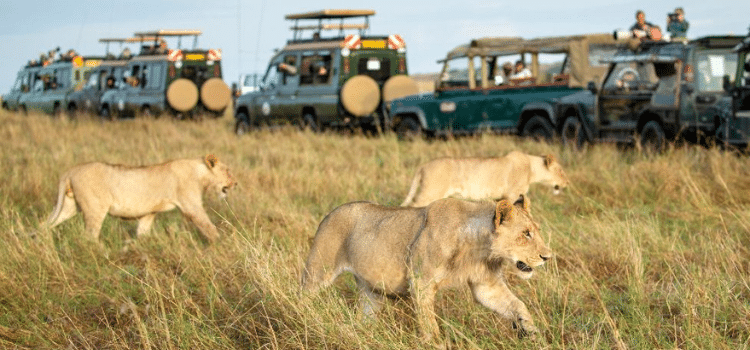
If you’re after the Great Migration, aim for July through October for the best chance of river crossings and big herds. Book early for that window; camps fill fast. National parks have set opening hours and rules for a reason. Gates typically open in the early morning and close in the evening; if you are self-driving, arrive and exit on time. Consider flying domestically to save long road legs—regional carriers run frequent bush flights to main airstrips in the Mara, Amboseli, and beyond. A good guide will keep you safe and improve sightings.
How to behave: simple courtesies that change everything
Learn a few words in Swahili. A “jambo” or “asante” goes a long way. Ask permission before photographing people. Bargaining in markets is expected, but keep it friendly; you will get better encounters if you stay polite. Tipping is appreciated across the service sector; small, regular gestures are better than one dramatic handout. These habits matter because Kenya is a place built on relationships.
Tech and logistics that save time
Bring a power bank; occasional outages are a nuisance. Keep printed and digital copies of your passport and eTA. If you will drive, ask about local road conditions. Some routes become impassable after heavy rain. A driver who knows local checkpoints and routes is often worth the cost; it will save time and headaches and let you focus on the views.
Slow down and leave space for things to happen.
Kenya rewards patience. The best safaris are not frantic point-and-tick excursions. Sit by a waterhole. Listen to the guides. Bring fewer sites into an itinerary and linger longer in one or two places. That way, a casual afternoon may become the highlight of the trip.
FAQs
Do I need to get a visa before I board my plane to Kenya?
An eTA is necessary before departure, and most visitors must present a printed or digital copy on arrival. Check the official eTA portal for updates and any nationality-specific exemptions.
Is it safe to drink tap water in Kenya?
In major hotels and some urban spots, water is often filtered and safe. In most towns and rural areas, use bottled or filtered water. A refillable bottle with a filter is useful for remote travel.
When is the best time to see the Great Migration?
Plan for July to October for the highest likelihood of witnessing dramatic river crossings in the Maasai Mara. Nature can be unpredictable, however, so stay flexible.
Should I worry about malaria for a short trip?
Risk depends on where you go. Coastal areas and Lake Victoria zones have a higher risk. Ask your doctor about prophylaxis tailored to your itinerary.
Final Words
Kenya is generous with its scenery and with its people, but it asks a traveler to pay attention. A little planning goes a very long way: sort your paperwork, secure your devices, respect local rules, and pick a rhythm that lets the place open up to you. When you arrive ready and curious, Kenya will repay you with the kind of travel memories that slow you down and start to matter.