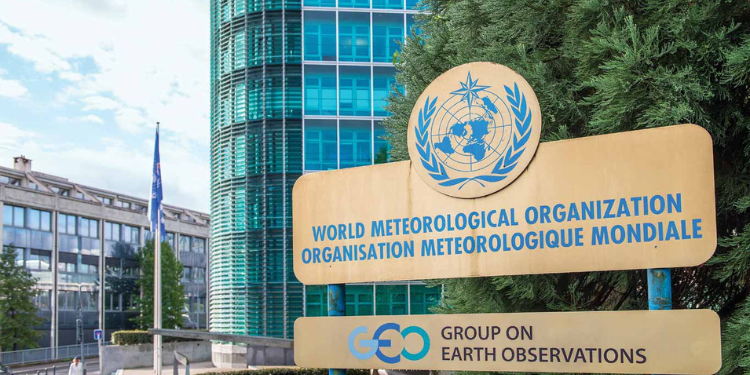
The World Meteorological Organization (WMO) has warned that El Niño conditions are likely to develop from May 2026, with wide‑ranging effects on global temperatures and rainfall patterns.
In its Global Seasonal Climate Update issued on April 24, the World Meteorological Organization said ocean surface temperatures in the Equatorial Pacific are warming rapidly.
This warming, WMO states, is a key sign that El Niño could return after neutral conditions earlier in the year. Climate models suggest El Niño may begin to form between May and July 2026 and continue to strengthen later in the year.
Forecasts also point to above-normal land surface temperatures across most regions of the world over the next three months, alongside sharp regional differences in rainfall.
“After a period of neutral conditions at the start of the year, climate models are now strongly aligned, and there is high confidence in the onset of El Niño, followed by further intensification in the months ahead,” said Wilfran Moufouma Okia, Chief of Climate Prediction at WMO.
He cautioned that forecasts at this time of year are affected by the so‑called spring predictability barrier, which limits certainty.
“Confidence generally improves after April,” he said, adding that models suggest the event could be strong.
What El Niño Means for Global Weather
El Niño and La Niña are two opposite phases of a natural climate cycle known as the El Niño–Southern Oscillation, or ENSO. This cycle strongly influences the weather around the world.
Also Read: Weatherman Lists Regions to Receive Heavy Rainfall and Cold Nights Below 7°C in 5-Day Forecast
When the climate system shifts between El Niño and La Niña, rainfall patterns around the world can change. Some places may receive much more rain than usual, while others can face dry conditions.
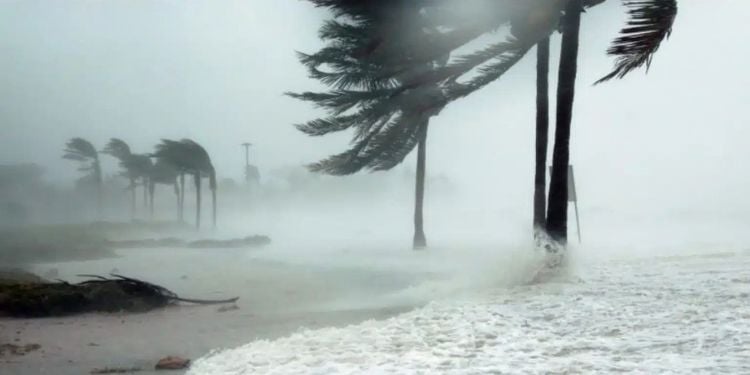
These shifts can also increase the likelihood of extreme weather events, including heatwaves, flooding, and storms, thereby influencing seasonal weather in many regions.
Governments, humanitarian agencies, water managers, and farmers depend on ENSO forecasts to plan and respond to climate‑related risks.
El Niño develops when ocean surface temperatures warm in the central and eastern Equatorial Pacific.
These events usually occur every 2 to 7 years and last 9 to 12 months. WMO does not use the term “super El Niño,” as it is not part of its operational classifications.
Potential Effects on Rainfall, Heat, and Extreme Weather
El Niño events tend to raise global average temperatures and alter rainfall patterns across many regions.
WMO noted that 2024 became the hottest year on record due to the combined effects of the strong 2023–2024 El Niño and long‑term warming driven by greenhouse gas emissions.
While there is no evidence that climate change increases the frequency or intensity of El Niño events, warmer oceans and atmosphere can worsen their impacts. Higher levels of heat and moisture increase the risk of extremes such as heatwaves and heavy rainfall.
Although each El Niño event develops differently, El Niño events are often linked to wetter conditions in parts of southern South America, the southern United States, the Horn of Africa, and central Asia, while drier conditions are more common in Australia, Indonesia, and parts of southern Asia.
Also Read: Govt Issues Advisories After Kenya Met’s Warning on Impending La Niña and El Niño
During the Northern Hemisphere summer, El Niño‑related warming in the Pacific can support hurricane development in the central and eastern Pacific Ocean, while reducing hurricane activity in the Atlantic Basin.
Seasonal Climate Outlook and Preparedness
WMO’s Global Seasonal Climate Update considers ENSO alongside other climate drivers such as the North Atlantic Oscillation, the Southern Annular Mode, and the Indian Ocean Dipole.
For the May–June–July period, land temperatures are expected to be above normal across nearly all regions, with the strongest warming signals over southern North America, Central America and the Caribbean, as well as Europe and northern Africa.
Rainfall projections show varying patterns across different regions.
Seasonal forecasts are vital for preparedness in climate‑sensitive sectors such as agriculture, energy, health, and water resource management.
WMO is expected to release its next El Niño/La Niña Update in late May, offering clearer guidance for the June–August period and beyond. Regional Climate Outlook Forums will also issue localized forecasts, while national meteorological services will provide country‑specific updates.
Current Climate Conditions Point to a Shift Toward El Niño Later in the Year
As of early April 2026, the ENSO system remains in a neutral phase following the end of the 2025–2026 La Niña, according to several global climate monitoring centres.
Sea surface temperatures in the central and eastern Equatorial Pacific are near average, but subsurface waters are warming.
Most forecast models suggest neutral conditions will continue through the boreal spring, with El Niño conditions emerging later in the summer or early autumn and potentially lasting towards the end of the year.
The accumulation of warm subsurface waters is considered a key precursor to the development of El Niño.