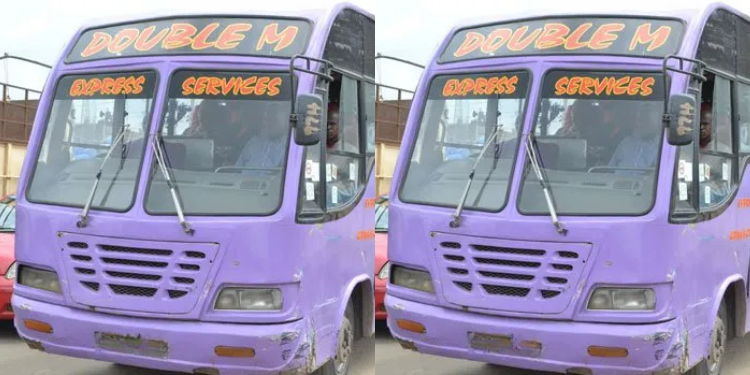
Double M, one of Nairobi’s oldest and once-most-respected commuter bus companies, is owned and managed by businesswoman Mary Wangari Mwangi, who took over the firm after the death of her husband and co-founder, John Mugo Mwangi, in December 2011.
The company operates under Express Connections Bus Services Limited, a private, family-owned transport firm, unlike most matatu operators in Nairobi, which operate under Sacco structures.
From its early years, Double M stood out as a different kind of player in the city’s chaotic public transport industry, offering an organized and disciplined service at a time when such standards were rare.
Double M Foundation and Rise
Double M traces its origins to 1979, when the Mwangi couple began a vehicle-fabrication business, building matatu bodies.
Their entry into passenger transport in 1986 marked the beginning of what would become one of Nairobi’s most recognizable commuter brands.
Over the next two decades, the company expanded steadily, building a strong reputation among city commuters.
By around 2010, Double M had grown its fleet to more than 100 buses and employed hundreds of workers.
Also Read: Story of Former MP & Company Behind Citi Hoppa Bus
Its operations were concentrated along busy Eastlands routes, including Buruburu and Donholm, where it became a preferred choice for many passengers.
What made Double M stand out was its strict approach to professionalism.
At a time when the matatu sector was marked by disorder, the company introduced rules to restore dignity to public transport.
It issued tickets to all passengers, banned standing passengers, required drivers and conductors to wear uniforms, and prohibited loud music on its buses.
These standards helped transform the commuter experience and set a benchmark that many operators would later follow.
The company’s structured model also influenced broader reforms in the transport sector, including the introduction of tighter regulations to bring order to matatu operations across Nairobi.
Double M also differed in how it operated.
Unlike Saccos, which are owned by individual investors, it operated as a centralized company.
It owned and managed its fleet directly, paid staff salaries, and controlled operations from its headquarters.
This structure allowed for greater consistency and discipline compared to most competitors.
Decline And Challenges
However, the company’s fortunes began to shift after the death of John Mwangi in 2011.
Also Read: Inspiring Story of Nelson Mwangi: From School Dropout to Founder of Super Metro Sacco
Leadership passed fully to Mary Mwangi, and while she continued to run the business, the operating environment had already begun to change.
New players, particularly Sacco‑based operators such as Super Metro and 2NK, were expanding rapidly and offering strong competition.
These groups adopted structured systems similar to those pioneered by Double M but with greater flexibility and investment from multiple owners.
As a result, they quickly captured a large share of the market.
At the same time, Double M began to face financial pressure.
The company took on debt, including loans linked to major investment ventures such as property development projects.
Some of these projects ran into difficulties, leaving the business exposed to mounting financial strain.
The situation worsened as creditors moved to recover their money.
Auctioneers stepped in on several occasions, seizing assets and targeting key company properties.
Reports indicated that land along Jogoo Road, which housed offices, a garage, and a petrol station, was listed for auction as part of efforts to repay outstanding debts.
These challenges significantly weakened the company’s position, reducing its presence on Nairobi roads and marking a sharp contrast from its earlier dominance.
Despite the setbacks, Double M remains an important part of Nairobi’s transport history.
It is widely credited with introducing discipline, structure, and professionalism at a time when the sector lacked order.
Today, Mary Mwangi continues to stand at the center of the company as its owner and managing director.
Beyond business, she has also been active in politics, having vied several times for the Embakasi East parliamentary seat.