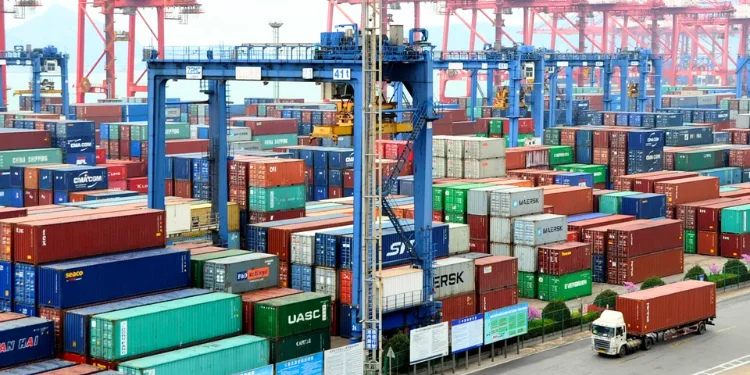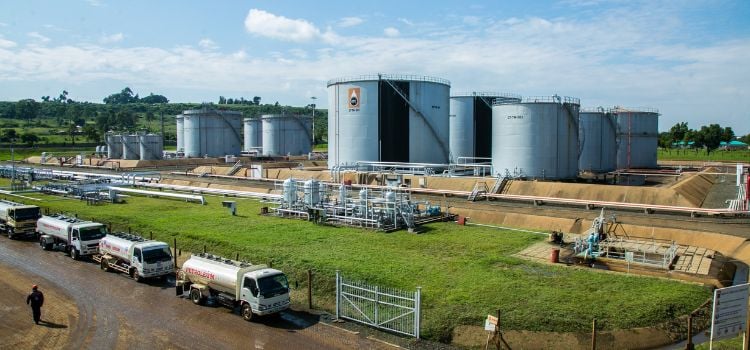
Kenya’s petroleum exports declined in 2025 despite the energy sector’s strong performance in the year, according to the latest Kenya National Bureau of Statistics (KNBS) Economic Survey.
The drop was mainly due to reduced fuel re‑exports following changes in regional fuel trade, and the decline is linked to Uganda’s 2024 decision to source fuel directly rather than relying on supplies processed and sold through Kenya.
While fuel shipments still pass through Kenyan infrastructure, they are no longer counted as Kenyan exports under the revised reporting system, resulting in a visible decline in official export figures.
Exports Fall Despite Growth in Fuel Production
Despite the lower export numbers, KNBS data shows that overall activity in Kenya’s energy and petroleum sector remained strong throughout 2025.
The total volume of petroleum products imported increased by 12.2 percent to 5.5 million tonnes in 2025, indicating the sector was performing well before prolonged fuel supply challenges emerged.
However, petroleum exports moved in the opposite direction. Exports declined to 983.5 thousand tonnes in 2025 from 989.1 thousand tonnes in 2024.
Also Read: Supplier Reveals Behind-the-Scenes Dealings in Ksh4.8 Billion Fuel Import Controversy
According to KNBS, the drop was mainly due to a decline in the re-export of fuel imported into Kenya and then sold to neighboring countries.
Reexports fell from 945.3 thousand tonnes to 940.6 thousand tonnes during the period.
Uganda’s Fuel Import Shift Changes Regional Trade
The reduction in re-exports follows major changes to regional fuel supply arrangements. Last year, Uganda began importing fuel directly through its National Oil Company, ending a long-standing system in which Kenyan oil marketing companies handled most of its fuel procurement.
Uganda’s first independently procured consignment arrived at the Port of Mombasa aboard the vessel Navig 8 Martinez, carrying over 60,000 metric tonnes of petrol.
Another vessel carrying more than 70,000 metric tonnes of diesel was also expected.
The fuel was discharged at the Kipevu Oil Terminal 2, a large offshore facility designed to handle multiple oil tankers at the same time.
Although Uganda still uses Kenyan infrastructure, including the Port of Mombasa and the Kenya Pipeline Company network, the fuel is now bought directly by Uganda.
This means volumes that previously counted as Kenyan exports are no longer reflected in trade figures, helping explain the export decline recorded in the KNBS survey.
Also Read: New Twist as One Petroleum Cites Emergency Tender and Waiver in Fuel Import Scandal
Domestic Fuel and Electricity Use Continue to Rise
While exports declined, fuel use within Kenya increased, with the KNBS reporting that total domestic demand for petroleum products rose by 9.9 percent to 5.7 million tonnes in 2025, driven by increased consumption across transport, industry, and households.
Consumption of liquefied petroleum gas (LPG) increased by 14.7 percent to 475.9 thousand tonnes.
KNBS attributes this rise to government programs promoting cleaner cooking, including subsidized LPG cylinders for low‑income households and the installation of gas systems in public learning institutions.
The average price of Murban crude oil fell from USD 79.86 per barrel in 2024 to USD 69.63 per barrel in 2025. As a result, Kenya’s petroleum import bill dropped to KSh 575.5 billion from KSh 628.8 billion the previous year.
Fuel prices at the pump showed mixed movement. Petrol prices increased to an average of KSh 181.39 per liter, while diesel prices fell by 5.4 percent to KSh 169.56 per liter.
Kerosene prices also declined, while cooking gas prices eased slightly to KSh 3,142.43 for a 13‑kilogram cylinder.
KNBS data show that domestic electricity consumption increased by 9.6 percent to 11,783.5 gigawatt-hours. Power use by commercial and small consumers rose by 13.8 percent, while industrial demand increased by 3.7 percent.
Electricity sales under the rural electrification program rose by 20.3 percent, reflecting continued expansion of electricity access.
On the supply side, total effective electricity generation capacity increased to 3,109.3 megawatts, with renewable sources such as geothermal, hydro, and wind remaining dominant.
Total electricity generation and imports grew by 6.8 percent, although hydropower output declined due to poor rainfall. Electricity imports rose following regional power‑exchange agreements.