



















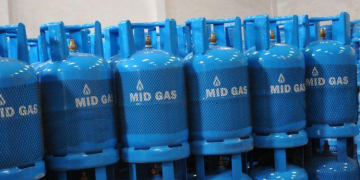















































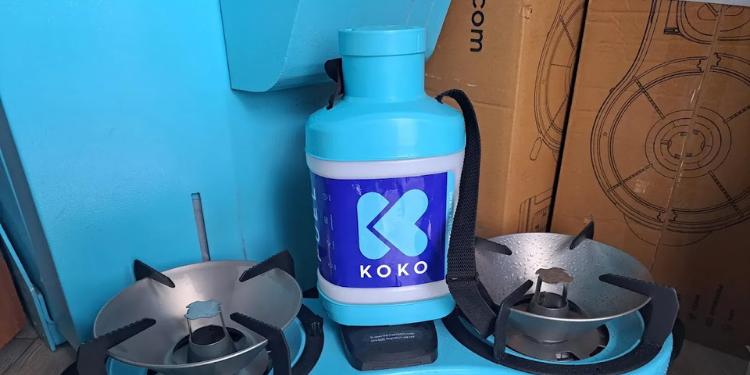
KOKO Gas is a product of KOKO Networks, a Nairobi-headquartered climate-tech company founded in 2014.
The firm focuses on replacing charcoal and kerosene, fuels linked to deforestation and indoor air pollution, with renewable bioethanol.
Since its commercial launch in July 2019, KOKO has grown from 40,000 users to over 1.3 million households across Kenya, supported by a network of more than 3,000 KOKO point fuel ATMs in low-income neighborhoods.
KOKO Gas Founders
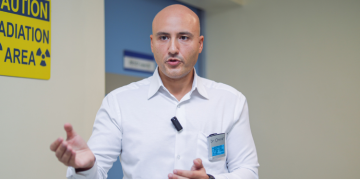
At the top is Greg Murray, an Australian entrepreneur and former Managing Partner at CleanStar Ventures.
Murray serves as Co-Founder and CEO of KOKO Networks, his vision shaped by travels across Africa in 2005, during which he witnessed the dominance of charcoal and its devastating impact on forests.
Murray holds a Bachelor of Commerce from the University of New South Wales and lives in Nairobi with his family.
Other co-founders include:
- Nicholas Stokes, Chief Financial Officer, has experience in Africa, Asia, and Europe.
- Sagun Saxena, Chief Innovation Officer, is an Oxford graduate with over 20 years of experience in tech-driven growth strategies. He oversees product innovation and system design, ensuring KOKO’s smart fuel network remains scalable and secure.
- Micael da Costa, Chief Systems Officer, who oversees KOKO’s technology infrastructure, including the software powering KOKOpoints and remote monitoring systems. His expertise ensures operational efficiency and safety across thousands of fuel ATMs.
Vivo Energy Partnership
In June 2018, KOKO Networks signed a landmark partnership with Vivo Energy Kenya, the distributor of Shell-branded fuels across the country.
Vivo became the first multinational fuel company to enter the market for ethanol cooking fuel.
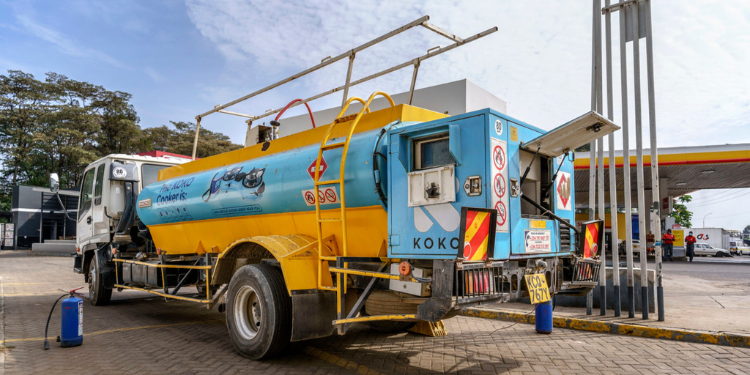
Under the agreement, Vivo Energy supplies bioethanol, sourced from Kenyan sugar factories and imports, and stores it in dedicated tanks at its depots and Shell service stations, before KOKO’s innovative systems then handle last-mile delivery to KOKOpoints.
These innovative dispensers allow customers to refill ethanol canisters safely and affordably.
The partnership gave KOKO access to Vivo’s extensive infrastructure, including:
- Bulk storage facilities in Nairobi and Mombasa
- Shell-branded retail network with over 340 stations
- Logistics and safety systems for fuel handling
Vivo Energy benefits by diversifying its energy portfolio beyond petroleum, aligning with global sustainability trends and Kenya’s clean energy goals.
The partnership is not an ownership arrangement; therefore, Vivo Energy does not own KOKO Gas.
Funding and Global Backing
Since its founding in 2014, KOKO has raised capital from leading climate-tech and impact investors, including:
- Rand Merchant Bank
- Waarde Capital
- Good Energies
- Treehouse Investments
- Microsoft Climate Innovation Fund
- Mirova
- Kepple Africa Ventures
- Lateral Capital
In March 2025, the World Bank’s Multilateral Investment Guarantee Agency (MIGA) issued a $179.6 million (Ksh23.2 billion) political risk guarantee to support KOKO’s expansion in Kenya.
This guarantee covers investments in ethanol supply chains, technology systems, and consumer subsidies.
To date, KOKO has invested more than $100 million (Ksh129.2 million) in consumer subsidies, financed through international carbon markets.
Also Read: Meta on the Spot After Deactivating Accounts of Activists Mange Kimambi and Maria Sarungi
These funds help keep ethanol fuel affordable for low-income households, positioning KOKO Gas as a viable alternative to charcoal and kerosene.
Impact on Kenyan Households
KOKO Gas has transformed cooking for urban low-income families in Kenya by replacing charcoal and kerosene with clean bioethanol.
These traditional fuels are linked to severe health risks, causing over 21,000 deaths annually in Kenya due to indoor air pollution.
They also drive deforestation, with charcoal production consuming millions of trees each year.
Also Read: Why Police Order Suspects to Remove One Shoe and Belt After Arrest
Beyond health benefits, KOKO Gas contributes to climate action.
Each household switching from charcoal to ethanol saves approximately 3 tons of CO₂ emissions annually, positioning Kenya as a leader in clean cooking under its National Climate Change Action Plan.
Follow our WhatsApp Channel and X Account for real-time news updates.