
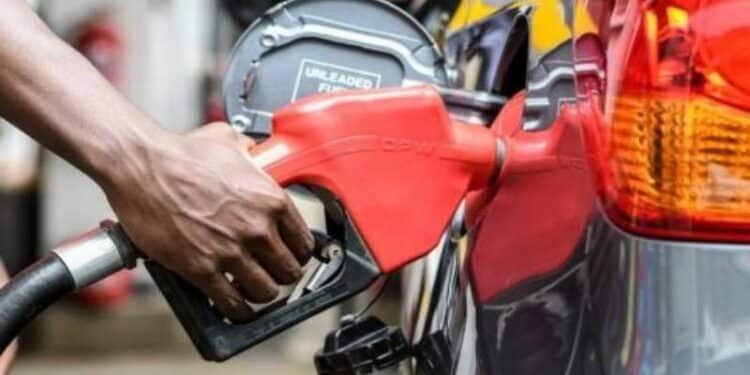
Kenyans are staring at tough economic times after global oil prices surged sharply amid escalating tensions in the Middle East, raising fears of higher fuel costs and a rise in the prices of goods and services.
Oil prices have continued to surge with no resolution in sight to the two-month-long US-Israel war on Iran, while fuel supplies remain disrupted in the Strait of Hormuz, one of the world’s most critical oil shipping routes.
Iranian forces have imposed a blockade on the transit of vessels, while the United States has intensified pressure on Iranian ports and shipping, further rattling global energy markets.
Global Oil Prices Rise Past $125 as US-Iran War Deepens
Brent crude oil jumped past $125 a barrel early Thursday, April 30, as uncertainty over stalled US-Iran talks and doubts over reopening the Strait of Hormuz kept markets on edge and raised fears of a prolonged conflict in the region.
The price of Brent oil soared above $126 a barrel on Wednesday, its highest level since 2022, after Donald Trump warned that the US blockade of Iranian ports could last months.
Also Read: New Twist as One Petroleum Cites Emergency Tender and Waiver in Fuel Import Scandal
Brent crude surged more than 13% in 24 hours, reaching its highest level since the war began on 28 February. It last topped $120 during Russia’s 2022 invasion of Ukraine, when prices peaked at $139.
US crude settled up 6.95 percent at $106.88 per barrel on Wednesday.
US West Texas Intermediate futures jumped above $110 per barrel on Thursday, advancing toward their highest levels since 2022.
The latest surge comes as the national average US gas price reached a four-year high of around $4.23, according to AAA data, as a result of the skyrocketing energy prices triggered by the US-Iran war, which has driven prices up more than 27%.
Also Read: Uganda Hurts Kenya Following Decision to Import Own Fuel
EPRA Hikes Fuel Price in April-May Cycle
The Energy and Petroleum Regulatory Authority (EPRA) reduced the pump prices of petrol and diesel a day after announcing a sharp increase of up to Ksh40 per litre.
In the new rates released on the evening of April 15, the prices of petrol and diesel were reduced by Ksh9.37 and Ksh10.21, respectively, to retail at Ksh197.60 and Ksh196.63 in Nairobi.
EPRA also indicated that the subsidy on Kerosene had been reduced, dropping from Ksh.108.10 per litre to Ksh.96.56 per litre, even as the retail price of the product remains unchanged.
In an addendum to its earlier pricing review, EPRA said the revised prices follow a directive by the National Treasury to cut VAT on petroleum products from 13 percent to 8 percent under a legal notice dated April 15, 2026.
EPRA announced a significant increase in fuel prices for the April–May pricing cycle, citing a surge in global petroleum costs and exchange rate pressures.
In the initial review, the prices of Super Petrol and Diesel rose sharply by Ksh28.69 and Ksh40.30 per liter, respectively, while Kerosene prices remained unchanged.
A litre of diesel rose by the steepest margin of Ksh40.30 and retailed at Ksh206.84 in Nairobi, on Wednesday, April 15, while petrol cost Ksh206.97, reflecting an increase of Ksh28.69.
A subsidy of Ksh99.16 per litre of kerosene kept its price unchanged at Ksh152.78.
At the time, EPRA attributed the increase to a spike in landed costs, the price at which fuel is imported into the country, driven by volatility in international markets and a weakening shilling.