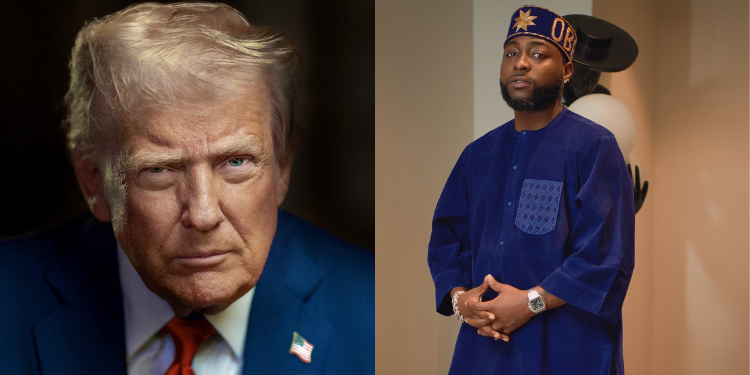
President Donald Trump launched “Project Freedom” with bold promises to break Iran’s blockade of the Strait of Hormuz. Less than 48 hours later, he called it off after the operation ran into stiff resistance before it could gain momentum.
The mission started on Monday after Trump announced that U.S. warships would escort commercial vessels trapped in the Gulf.
The aim was to reopen the critical waterway that carries about one-fifth of the world’s oil. Iran had blocked traffic through the strait during the recent conflict, creating a shipping jam and driving up global energy prices.
U.S. forces escorted at least two vessels on the first day, but the move also triggered fresh skirmishes.
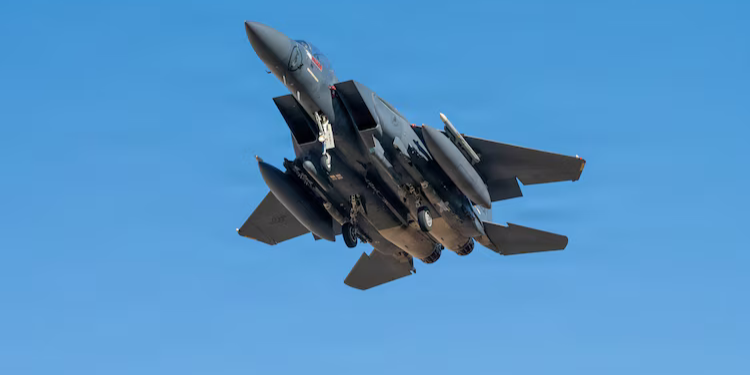
Reports emerged of Iranian fire on ships and U.S. responses against small Iranian boats. The operation, which involved guided-missile destroyers, aircraft, and thousands of personnel, looked set to test the fragile ceasefire between the U.S. and Iran.
Trump halts Project Freedom
By Tuesday evening, May 5, Trump posted on Truth Social that he was pausing the effort. He pointed to “great progress” in Pakistan-mediated talks with Iran and requests from several countries to give diplomacy more time.
The naval blockade of Iranian ports would remain in place, he said, and military action would remain an option if talks failed.
Behind the diplomatic language, however, lies a more awkward story. Multiple outlets, including NBC News, reported that Saudi Arabia moved quickly to deny the U.S. access to key bases and airspace after the operation launched without proper coordination.
Trump dealt a blow
Prince Sultan Air Base, long a hub for American forces in the region, became off-limits. Other Gulf partners also expressed frustration at being caught off guard.
This pushback from traditional allies proved decisive, as without reliable access to regional bases and airspace, sustaining the escort mission became far more difficult.
A call between Trump and Saudi Crown Prince Mohammed bin Salman failed to completely resolve the tensions, according to sources familiar with the discussions.
Trump had termed Project Freedom as a show of strength after months of conflict with Iran.
Instead, it exposed how dependent U.S. operations still are on Gulf cooperation, even after significant military blows against Iranian naval forces earlier in the war.
Also Read: Trump Says Iran Agrees to Abandon Nuclear Weapons After “Very Good Talk“
Launching a high-risk escort mission without full regional buy-in carries real dangers of escalation.
The speed of the reversal, coming so soon after public statements from officials like Secretary of State Marco Rubio reasserting the mission, raised questions about internal planning.
Pakistani officials welcomed the decision, with Prime Minister Shehbaz Sharif thanking Trump for stepping back, saying it would help advance peace talks.
Iran, for its part, continues to demand the full lifting of the U.S. blockade before it fully reopens the strait.
Oil markets breathed a sigh of relief, with prices easing slightly on hopes that diplomacy might finally hold.
Shipping companies, however, remain careful; many vessels are still stuck, their crews waiting for an open path ahead.
This is not Trump’s first abrupt shift in the Iran file. He has mixed tough military moves with sudden diplomatic openings throughout the conflict.
Trump has announced that if Iran drags its feet or violates the ceasefire again, he will resume stronger action. But for now, the focus is back on the negotiating table, with both sides describing the talks as make-or-break.
The Strait of Hormuz has once more proven it is more than a shipping lane; it is a stage where military power, regional politics, and economic stakes collide in real time.
In the end, it seems the reopening of the strait may depend less on American destroyers and more on hard-won compromises in backchannel talks.