Witness Protection in Kenya is enshrined in the Witness Protection Act (Cap. 79) under the Kenyan Law. The Witness Protection Agency (WPA) is the body responsible for maintaining the protection programme.
According to the Protection Act, the Agency provides a framework for the special protection of persons in possession of important information.
Individuals facing potential risk or intimidation for their cooperation with the prosecution and other law enforcement agencies are protected under the WPA.
“The object and purpose of the Agency is to provide the framework and procedures for giving special protection, on behalf of the State, to persons in possession of important information and who are facing potential risk or intimidation due to their co-operation with prosecution and other law enforcement agencies,” the Act states.
In the effective performance of the responsibility, the Agency has the authority to acquire and control firearms, ammunition, and electronic equipment, regardless of other laws, as dictated by the Act.
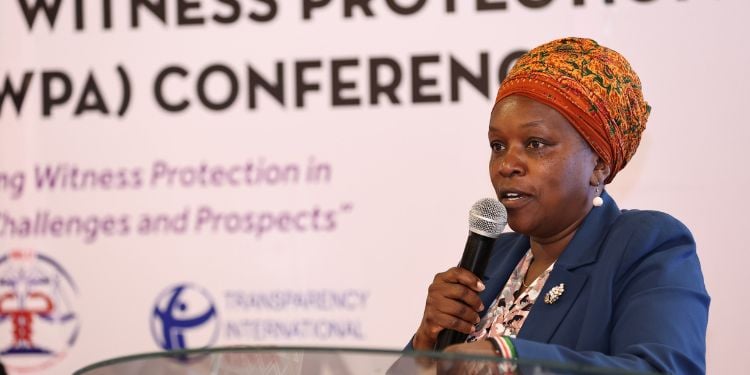
Jedidah Waruhiu, the CEO of WPA, explained that the Agency protects witnesses who are in fear and are cooperating with the prosecution or any other law enforcement agency.
She added that the witnesses are protected so that they can have their day in court or in a tribunal, inquiry, or commission.
Witnesses are kept safe and alive as they aid ongoing investigations by the police or assist the prosecution in ensuring justice is done in a particular case.
Witness Protection Admission Process and Assessment
Admitting an individual as a witness into the WPA program is the responsibility of the Director, who is in charge of the Agency.
Requests for inclusion in the program can be made by the witnesses themselves, law enforcement agencies, public prosecutors, or legal representatives.
However, the law dictates that protection is a safety measure, and officials in the Agency should not take bribes or pay bribes to include witnesses in the program.
Conditions for Inclusion in the Protection Program
A person may be included in the programme only if the Director has decided that the witness be so included and the person agrees to be included personally.
A memorandum of understanding in accordance with section 7 of the Act is signed by the witness or by a parent or guardian of the person if the person is under the age of eighteen years.
Where a person has not been offered protection under the programme, the witness, a law enforcement agency, a public prosecutor, a legal representative, or any other intermediary may make a written request to the Director for his inclusion in the programme.
An application for the protection of a person below the age of eighteen may be made without the consent of the person’s parent or guardian if the Attorney-General may specify in Regulations.
When a parent or guardian of a witness signs a memorandum of understanding because the witness was under the age of eighteen and the memorandum remains in effect after the witness turns eighteen, the Agency may require the witness to sign the memorandum.
In assessing an application, the Director considers the seriousness of the offence, the importance of the witness’s testimony, the nature of the perceived danger, the public interest in the prosecution, and the witness’s ability to adapt to the rigors of the programme.
In urgent situations, the Director may provide temporary protection pending a full assessment.
Also Read: Police Question Witnesses as Kericho Mass Grave Investigation Takes New Twist
Memorandum of Understanding
Admission into the programme is formalized through a Memorandum of Understanding (MoU), a binding agreement that outlines the basis of protection and the specific assistance to be provided.
It is signed by or on behalf of the witness in the presence of the Director or a member of staff designated by the Director for protection as per the Act.
The MoU contains a termination provision if the participant deliberately breaches a term of the MoU, a requirement, or an undertaking relating to the programme.
In addition, the agreement includes the prohibition of the participant from engaging in specified activities such as marriage, family maintenance, taxation, welfare, domestic obligations, and relationships.
A MoU also contains a statement advising the participant of their right to complain to the Director about the conduct of any member of staff in relation to the matters dealt with within the agreement.
Also Read: Lawmakers Move to Force Testimony from Trump AG Over Epstein Files
WPA Security
The Agency employs diverse measures to ensure safety, including physical and armed protection, relocation within Kenya, or relocation abroad.
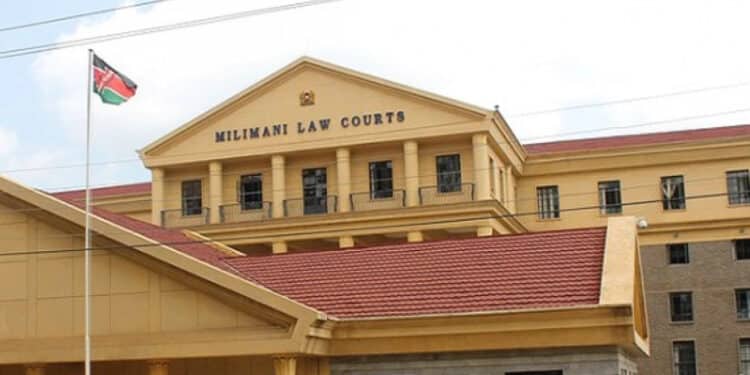
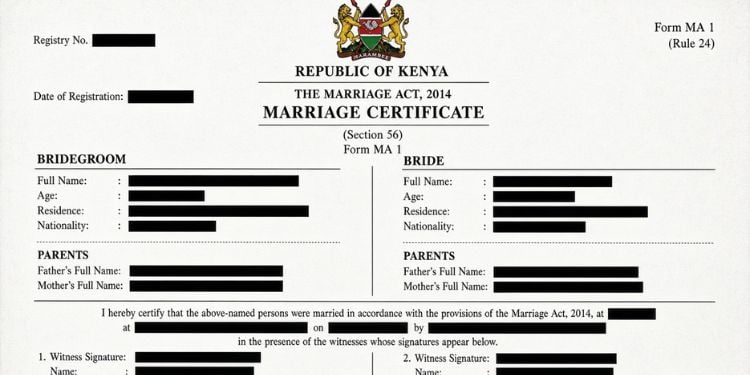
To ensure the security of high-risk witnesses, the agency applies to the High Court for orders creating new entries in the registers of births, deaths, or marriages.
Moreover, all such High Court proceedings are conducted in camera, with the use of pseudonyms, video links, or the distortion or obscuring of the witness’s image or voice to maintain secrecy.
“A person who, without lawful excuse, discloses information about the identity or location of a person who is or has been a witness or participant… is guilty of an offence and is liable on conviction to imprisonment for a term not exceeding seven years,” the Witness Protection Act dictates.
To ensure the Agency operates within the law, the Act establishes the Witness Protection Advisory Board, which provides general oversight and advises on policy.
A Witness Protection Complaints Committee is also established to hear appeals of the Director’s decisions and to handle complaints against Agency staff.
The Act also establishes a Victims Compensation Fund to provide restitution to victims of crimes committed by persons while under protection.