There is a word that every Kenyan has grown familiar with over the past decade: debt. From the Standard Gauge Railway loan from China’s Exim Bank, to the Eurobond issuances that consumed parliamentary debate for years, to the IMF programme that has constrained government spending through structural adjustment — Kenya’s relationship with borrowed money has been turbulent, consequential, and, for many ordinary citizens, painful.
Now the government wants to borrow, guarantee, or partner its way to a Ksh 500 billion nuclear power plant.
The supporters say this is different. The critics say it is the same story, bigger stakes. Both deserve serious hearing.
Kenya’s Fiscal Starting Point
To assess the nuclear plant’s financial risk honestly, you first need to know where Kenya stands fiscally.
Kenya’s public debt currently stands at approximately Ksh 11 trillion — over $80 billion. The debt-to-GDP ratio is around 70%, which, while not catastrophically high by global standards, is elevated for an economy of Kenya’s size and revenue base. Crucially, the cost of servicing this debt — paying interest and repaying principal — now consumes over 60% of government revenue. That means for every Ksh 100 the government collects in taxes, more than Ksh 60 goes straight to creditors before a single teacher is paid or a single road is repaired.
Kenya is also under an IMF Extended Fund Facility programme that imposes fiscal targets, including limits on new non-concessional borrowing. Any large debt-financed infrastructure project must be negotiated within these constraints — or the IMF programme risks going off track, triggering its own economic consequences.
This is the fiscal environment into which the government is proposing to inject a Ksh 500 billion nuclear commitment.
The Case for Nuclear as a Fiscally Smart Investment
The government and its supporters make a coherent counter-argument, and it should not be dismissed.
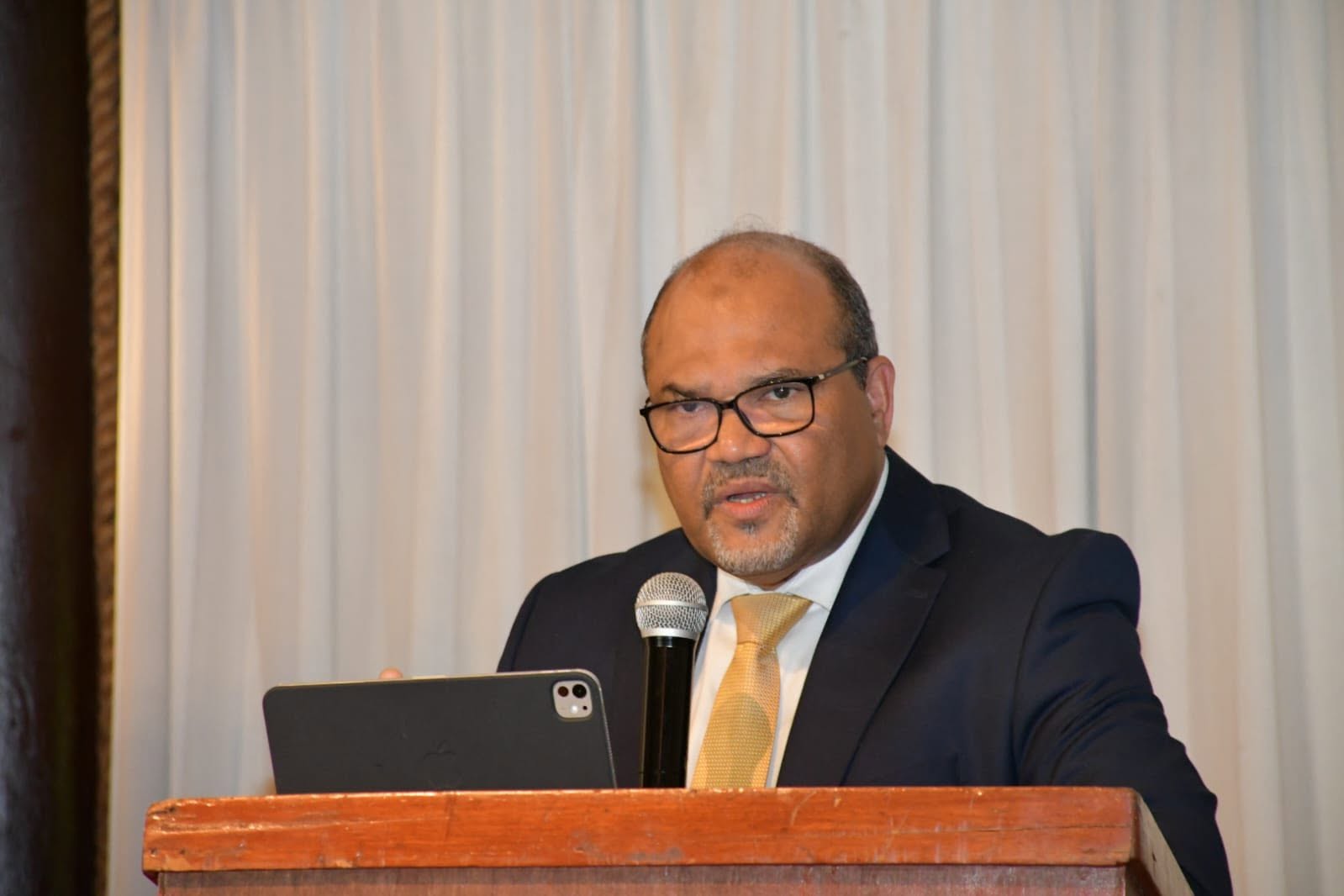
The PPP and blended financing model, as outlined by PPP Director General Kefa Seda at ICoNE 2026, is precisely designed to keep the nuclear plant off the government’s direct balance sheet. Under a proper PPP structure, the private investor — whether a consortium of development finance institutions, export credit agencies, and strategic investors — builds and initially operates the plant, while the government’s obligation is limited to a Power Purchase Agreement guaranteeing a minimum off-take price.
Also Read: The Ksh 500 Billion Question: Who Will Actually Pay for Kenya’s Nuclear Plant?
This is a fundamentally different financial instrument from a sovereign loan. Kenya would not be adding Ksh 500 billion to its national debt register. It would be committing to buy electricity from the plant at a fixed price for 20 to 30 years — a contingent liability, not an upfront debt obligation.
Second, the fiscal case for cheap baseload power is itself compelling. Kenya’s manufacturers currently pay some of the highest industrial electricity rates in East Africa. Every percentage point reduction in energy costs directly improves the competitiveness of Kenyan industry, increases tax revenues, and reduces the pressure on government finances from external fuel imports. The Lamu coal plant was killed — rightly — on environmental grounds. Heavy fuel oil is expensive and volatile. Nuclear is the only proven technology that delivers cheap, emissions-free baseload power at the scale Kenya needs.

Third, the plant has a 60-to-80-year operational lifespan. The capital cost, however financed, is amortised over generations. The economics of nuclear look very different over 60 years than over 10.
The Case for Caution: What Global Nuclear History Shows
Here is the sobering reality that no nuclear programme’s promotional materials will emphasise: nuclear power plants almost always cost more and take longer to build than projected.
The data is consistent across continents and decades. Finland’s Olkiluoto 3 reactor, one of Europe’s most recently completed plants, was projected at €3 billion in 2003 and ultimately cost €11 billion, opening 14 years late. The UK’s Hinkley Point C, currently under construction, has seen its cost estimate balloon from £18 billion to over £35 billion. In the United States, two new reactors at the Vogtle plant in Georgia came in at $35 billion — roughly double the original estimate.
These are not outliers. They are the pattern. Nuclear construction is among the most technically complex undertakings in human civilisation. Regulatory compliance, supply chain management, specialised labour requirements, and safety inspections create conditions where delays compound.
If Kenya’s plant were to overrun by 50% — a conservative estimate given global trends — the project cost rises from $3.8 billion to $5.7 billion. If the overrun is doubled to 100%, as seen in multiple Western projects, the cost hits $7.6 billion. Under a PPP model, those overrun risks must be contractually allocated between the government and the private consortium. Who bears that risk — and how clearly that is specified in the contract — is the single most important fiscal question Kenya’s negotiators must resolve.
The Africa-Specific Financing Challenge
Lassina Zerbo, Chair of the Rwanda Atomic Energy Board, told the Energy Intelligence Group plainly: “None of the African countries today is ready financially to go immediately in implementing the nuclear power plant.” This is not defeatism — it is an honest assessment of where the continent’s financing ecosystem stands.
Development finance institutions are increasingly reluctant to fund nuclear in developing countries. The World Bank does not finance nuclear. Most Western European DFIs require lengthy environmental and social impact reviews. That leaves Export Credit Agencies tied to vendor countries — which means the geopolitical dimension of vendor selection is also a financial one.
Also Read: Will Nuclear Power Actually Lower KPLC Bills for Kenyans to Enjoy Cheaper Tokens?
A Russian ECA loan, as Egypt accepted for El Dabaa, typically comes at 3% interest over 13 years with a grace period — relatively favourable terms. But it also creates long-term geopolitical dependency and requires using Russian-trained operators and Russian fuel for the plant’s lifetime.
A US EXIM Bank arrangement may come with stronger governance requirements but potentially higher financing costs and procurement restrictions. South Korea’s financing terms sit somewhere in between.
Kenya must negotiate this terrain very carefully. The cheapest financing is not always the best financing.
The Verdict
The nuclear plant does not have to become a debt trap. With rigorous PPP structuring, transparent parliamentary oversight, disciplined contract negotiation, and a genuine risk-sharing framework, it can be financed responsibly.
But Kenya has not always been rigorous, transparent, or disciplined in its mega-infrastructure procurements. The nuclear programme must be different — not by accident, but by design, mandate, and law.
The moment to build those safeguards is now, before the contracts are signed. Not after.
Follow our WhatsApp Channel and X Account for real-time news updates.