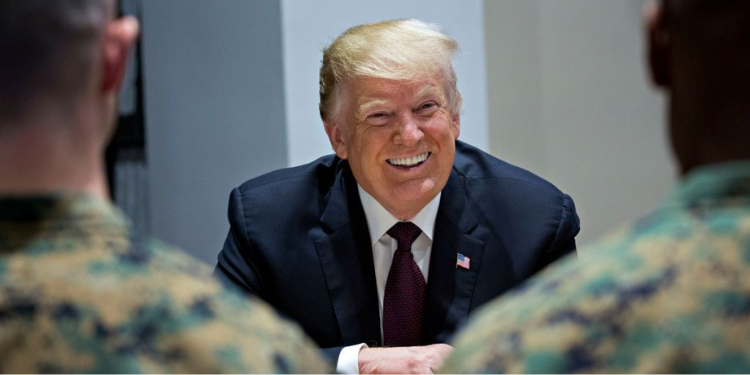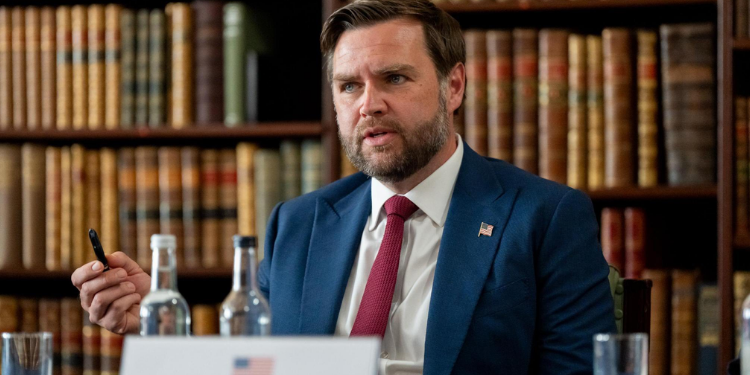
President Donald Trump has indicated that Vice President JD Vance may not attend upcoming in-person talks with Iran, citing security concerns as Washington prepares for direct negotiations following a recently brokered ceasefire.
Trump announced that direct in-person peace talks with Iran will begin very soon in Pakistan, days after a cease-fire ended 39 days of fighting between the two sides. Pakistan has offered to host the summit in Islamabad, with the meeting possibly starting as early as Friday.
Trump’s negotiating team, which includes Vice President JD Vance and special envoy Steve Witkoff, helped secure the cease-fire through talks with Pakistani leaders. Trump accepted Iran’s 10-point counter-proposal as a starting point for a permanent deal.
The president spoke about the plans in a phone interview with The New York Post on April 8, 2026.
Security concerns raised
“We’ll have Steve Witkoff, Jared Kushner, JD maybe JD, I don’t know. There’s a question of safety, security,” Trump told The Post.
Trump added that the talks would happen “very soon, actually it’s going to take place very soon.”
Also Read: Inside the meeting that convinced Donald Trump to go to war with Iran
The fighting began on February 28 when the United States and Israel launched military action against Iran.
The White House listed four main goals: ending Iran’s nuclear program, destroying its navy, wrecking its ballistic missile production sites, and stopping its support for proxy groups.
A cease-fire took effect on Tuesday. It includes reopening the Strait of Hormuz to international shipping after Iran had closed the waterway. The final agreement is expected to cover Iran’s plans to charge tolls on ships passing through the strait and the security of deeply buried enriched uranium.
Vance comments on deal
Vice President JD Vance described the cease-fire as “fragile.”
Trump launched the operation, known as Operation Epic Fury, alongside Israel. The conflict lasted 39 days.
The negotiating team has been working closely with Pakistani officials to arrange the logistics of the summit, including security arrangements for all participants.
Also Read: Iran Speaks After Trump Suspends Planned Strikes on Power Plants for Two Weeks
Details about the exact venue and format are still being finalized, but both sides have signaled willingness to sit down face-to-face to move beyond the temporary truce.
Why this matters
The possible absence of Vance from the talks highlights security risks for senior U.S. officials even after a cease-fire.
Any deal reached in Pakistan will need to address core issues that started the war, including Iran’s nuclear activities and its role in the region. Success or failure could shape U.S. relations with Iran and stability in the Middle East for years.
The talks come after weeks of direct fighting that affected global shipping through the Strait of Hormuz. A lasting agreement would need to settle questions about tolls and uranium storage to prevent future conflict.